July 23, 2026
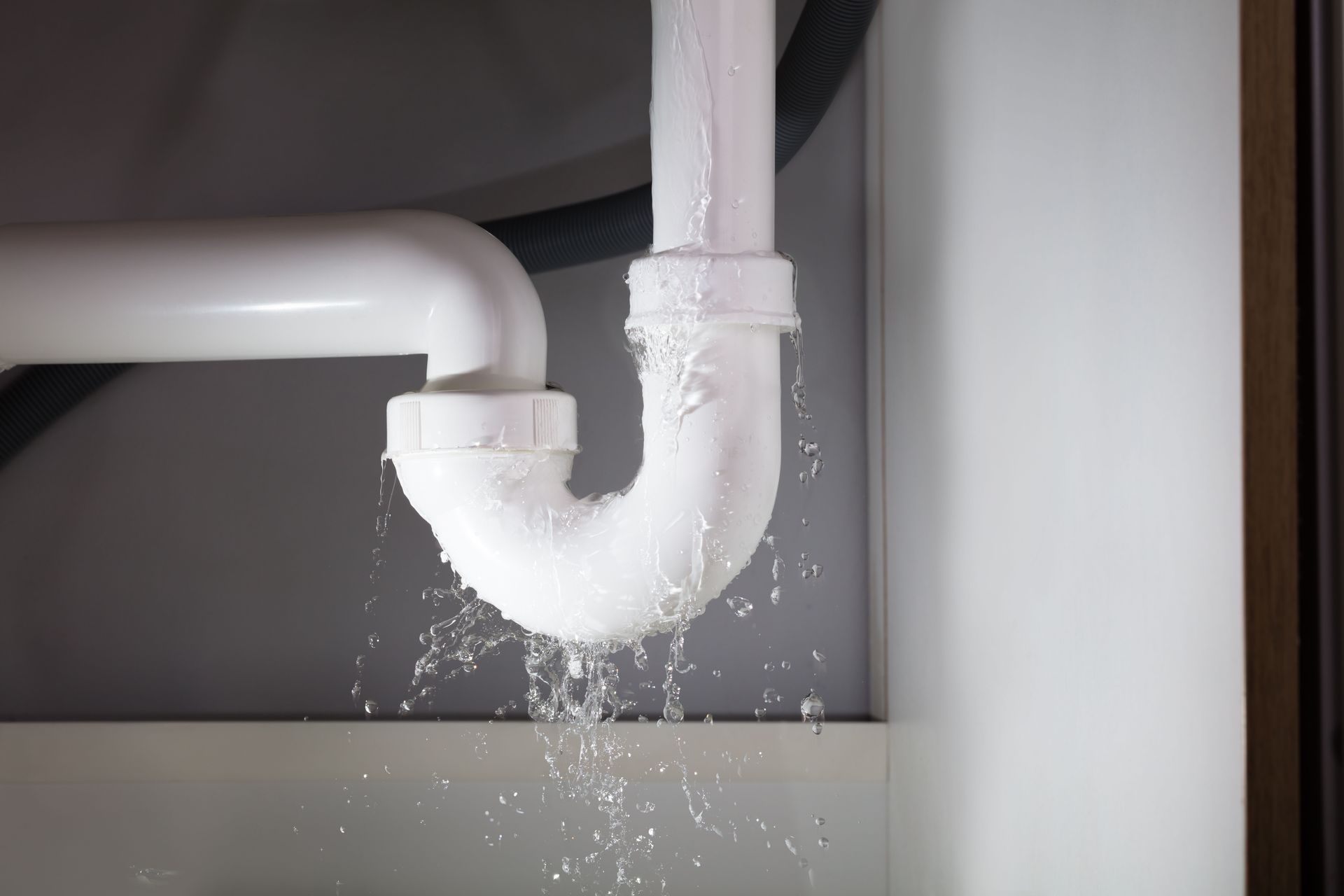
Plumbing leaks can be a homeowner's worst nightmare, leading to water damage, costly repairs, and even health hazards. Identifying the signs of a plumbing leak early can save you time, money, and stress. While some indicators are obvious, many hidden issues require the diagnostic tools and experience that only local plumbers can provide. This article will discuss the top signs that may indicate you have a plumbing leak and what you should do about it. Addressing these signs promptly can prevent minor issues from escalating into significant problems. By being vigilant and proactive, you can protect your home and ensure its longevity.
1. Unexplained Increase in Water Bills
Understanding Usual Water Consumption
Recognizing your standard water usage is crucial in identifying leaks. Most households have a consistent pattern of water usage, which can vary seasonally. Any sudden change without a reasonable explanation can be a telltale sign of a leak. Even minor leaks can cause unanticipated costs. According to This Old House, the average American household wastes roughly 10,000 gallons of water annually due to leaks. Tracking your monthly utility bills closely or installing a smart water monitor can help you spot these spikes before they lead to expensive property damage.
Linking Leaks and High Bills
Leaks can substantially increase water bills because they cause continuous water flow. A minor drip might seem inconsequential, but over time, it amounts to significant water loss. Constant running water through even the smallest of leaks can go unnoticed if you're not monitoring your water bill closely. Spotting an unexpected bill spike without a corresponding change in consumption patterns warrants an investigation. When sudden spikes occur, homeowners often rely on trusted local plumbers to locate the exact source of the underground or behind-the-wall water loss. Addressing such leaks can reduce wastage and save money.
Examining Meter Readings
Checking your water meter is a practical way to determine if there is a leak. Make sure all water fixtures are turned off, and observe your meter. If the meter continues to run, you may leak somewhere in the system. This technique can identify leaks not visible to the naked eye. Frequent checks can help detect issues early and mitigate costly repairs.
2. Visible Mold or Mildew
Knowing the Connection Between Moisture and Mold
Moisture creates an ideal environment for mold and mildew to thrive. Plumbing leaks are one of the primary culprits of excess moisture in homes. When water leaks into areas not meant to be wet, mold spores take hold and proliferate. Not only does this affect air quality, but it also poses significant health risks. Understanding this connection is critical in maintaining a healthy living space.
Identifying Mold in Hidden Areas
Mold often grows in hidden places such as behind walls, under flooring, or inside cabinets where leaks go unnoticed. You might not see it right away, but signs such as peeling wallpaper or musty smells can be early indicators. It's essential to inspect these areas regularly, especially if you suspect a leak. Professional leak detection services offered by local plumbers can pinpoint the exact breach in your pipe network without needlessly tearing apart your drywall. Catching mold early can prevent extensive damage and health issues. Employing professionals to address hidden mold can ensure thorough remediation.
Avoiding Negative Health Implications of Mold Exposure
Mold exposure, a common byproduct of leaks, can lead to various health issues. Common symptoms include respiratory problems, headaches, and skin irritations. Mold poses a greater risk to those with allergies, asthma, or weakened immune systems. Long-term exposure can exacerbate these conditions, making it crucial to maintain mold-free living environments. Addressing leaks promptly helps in minimizing these health hazards.
3. New Stains or Discoloration on Ceilings and Walls
Recognizing Water Stains
Water stains typically manifest as discolored patches on ceilings or walls and should never be ignored. They indicate that water is seeping through and causing damage from within. Stains might appear in different colors, such as yellow, brown, or dark, suggesting varying severity and history. Ignoring these stains can lead to structural damage over time. Investigating their source and addressing it with the help of qualified local plumbers is critical for proper home maintenance.
Checking Common Areas for Water Damage
Water damage commonly affects areas like basements, attics, and bathrooms where plumbing is prevalent. Hidden pipes behind walls or in the ceiling are susceptible to leaks, leading to unnoticed damage for prolonged periods. Bathrooms are frequently exposed to water, increasing the risk of leakage and subsequent staining. Evaluating these areas with vigilance can help in early detection and prevention of extensive damage. Routine maintenance can significantly reduce these risks.
Assessing Structural Damage
Once water stains are identified, it's crucial to assess the extent of structural damage. Water can weaken wood, cause drywall to crumble, and destroy insulation. Undetected leaks take a toll on a home's structural integrity, necessitating prompt action. Professional assessments can determine the scale of the damage and recommend suitable remedies. Taking early action ensures that the foundations of your home remain strong and resilient.
4. Musty or Damp Odors
Knowing the Causes of Musty Odors in Homes
A musty smell often indicates moisture problems in a home. The presence of mold, mildew, or persistent dampness due to leaks will emit such odors. These smells are typically strongest in basements, bathrooms, or near leak-prone areas. Ignoring these odors can exacerbate underlying moisture issues. Investigating their source is essential to maintaining good indoor air quality.
Identifying Odors Affecting Indoor Air Quality
Musty odors not only make a home less inviting but also contribute to poor indoor air quality. Prolonged exposure can affect respiratory functions, especially in sensitive individuals. Maintaining clean, odor-free air is crucial for healthy living. Identifying and rectifying the causes of these smells can significantly enhance air quality. Implementing regular air quality assessments and addressing leaks can mitigate these problems.
Locating the Source of the Smell
Finding the source of musty odors may require a detailed inspection. Tracing the smell often leads to hidden leaks or mold growth behind walls or floorboards. Remediating these stubborn odors effectively requires homeowners to consult with local plumbers who can trace the moisture back to its origin and seal the broken pipe. Following remediation, regular checks ensure continued odor-free living.
5. Reduced Water Pressure
Covering Common Causes of Low Water Pressure
Low water pressure can be an indicator of underlying plumbing issues. Common causes include leaks, pipe corrosion, or blockages. Pinpointing these issues is essential as they contribute to decreased efficiency of water usage within the household. Understanding the cause helps in determining an appropriate remedy. Ensuring optimal water pressure enhances functionality and comfort.
Testing Water Pressure
Testing water pressure on your own is straightforward. Start by using a simple pressure gauge to measure water force from faucets and showers. Compare readings with standard household water pressure levels. If discrepancies are detected, there might be hidden leaks or obstructions. This DIY test can offer immediate insights and guide subsequent action.
Identifying Fixture-Specific Issues
Reduced pressure in just one or two fixtures often points to fixture-specific issues rather than systemic problems. Examining these areas can reveal obstructions or faulty components. Cleaning or replacing aerators might resolve some problems, whereas significant pressure drops usually indicate extensive pipe or leak concerns. Regular maintenance of fixtures keeps water pressure consistent and prevents leaks.
Detecting plumbing leaks early is critical to maintaining the safety and integrity of your home. By being vigilant for these signs, you can address leaks before they become major issues. Remember, when in doubt, it is always best to contact local plumbers to assess and resolve potential plumbing problems. Avoiding the cost and hassle of extensive repairs is a worthwhile outcome of early detection efforts. Regular inspections and maintenance performed by regional experts can effectively mitigate these plumbing challenges. If you notice any warning signs or want to ensure your system is completely secure, contact RDW Plumbing LLC today to schedule a thorough inspection and catch hidden leaks before they cause major damage.