October 17, 2026
Older homes often have distinctive architecture, established neighborhoods, and details that are difficult to find in newer construction. However, an aging property can also come with plumbing systems that have experienced decades of wear. Pipes, fixtures, drains, and appliances may gradually deteriorate, making professional maintenance and timely repairs especially important. Even plumbing components that appear functional can develop hidden corrosion, mineral buildup, or weakened connections.
Understanding common plumbing concerns can help homeowners recognize warning signs before they develop into more disruptive problems. Professional inspections, repairs, and water heater services can also help maintain dependable plumbing throughout an older property. Knowing what issues commonly affect aging systems allows homeowners to make informed decisions about maintenance and necessary upgrades.
Identifying Aging and Corroded Pipes
Older homes may contain plumbing materials that have been in place for decades. Over time, pipes can corrode internally or externally, particularly when exposed to moisture, minerals, or other environmental conditions. Corrosion may gradually restrict water flow and weaken pipe walls. Homeowners might notice discolored water, unusual tastes or odors, inconsistent water pressure, or visible staining around exposed plumbing.
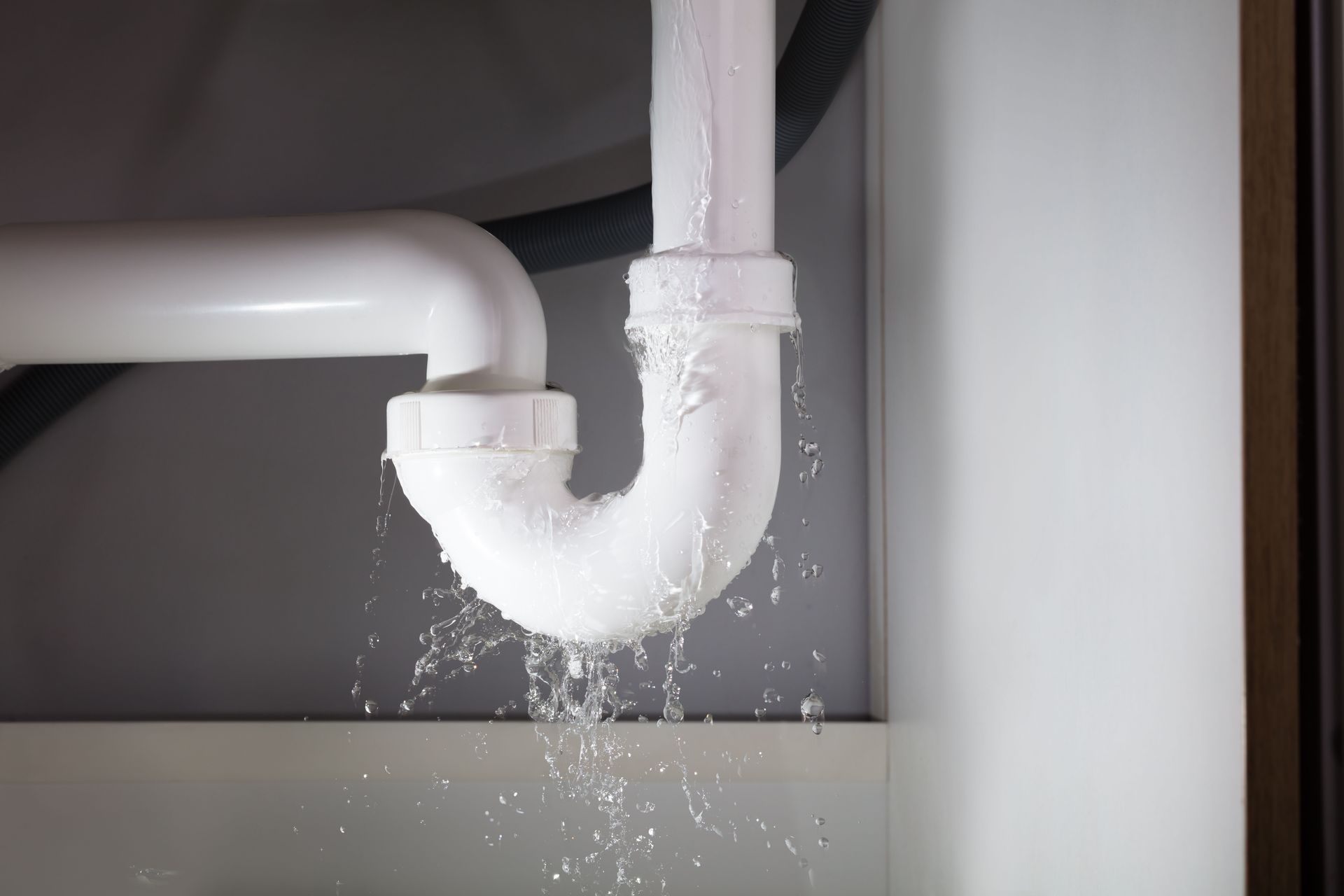
Aging pipes can also become increasingly vulnerable to leaks and breaks. Small leaks behind walls, beneath floors, or in other concealed spaces may remain unnoticed until moisture causes visible damage. Professional plumbers can evaluate the condition of an older piping system and determine whether isolated repairs or more extensive updates are appropriate.
Concerns about plumbing failures are understandable. In fact, according to Contractor, when homeowners were asked which repairs they feared most, plumbing and water pipe breaks ranked first at 49%. Regular professional attention can help identify vulnerabilities before aging pipes create larger problems.
Addressing Persistent Drainage Problems
Slow and frequently clogged drains are another common concern in older homes. Years of soap residue, grease, hair, mineral deposits, and other debris can accumulate inside drain lines. Aging pipes may also have rough interior surfaces that make it easier for material to collect. As buildup increases, water may begin draining more slowly from sinks, tubs, and showers.
Recurring drainage trouble can sometimes indicate a problem deeper within the plumbing system rather than a simple obstruction near a fixture. Older drain lines may become damaged, misaligned, or deteriorated. Tree roots can also interfere with underground lines in established properties where mature landscaping surrounds the home.
Professional evaluation is particularly valuable when several drains experience problems or when clogs repeatedly return. A plumber can determine the source of the drainage issue and recommend an appropriate solution without relying on temporary measures that may fail to address the underlying condition.
Recognizing Frequent Faucet and Fixture Leaks
Faucets, shower components, toilets, and other fixtures contain parts that naturally wear with continued use. In an older home, fixtures may have been operating for many years without substantial updates. Worn seals, connections, valves, and internal components can eventually allow water to escape.
A dripping faucet may seem minor, but persistent leaks can waste water and indicate that a fixture needs professional attention. Moisture around toilets, sinks, or tubs can be particularly concerning because water may reach flooring, cabinetry, or surrounding building materials. Leaks that remain hidden can contribute to staining, deterioration, and other moisture-related damage.
Plumbers can evaluate whether a fixture can be repaired effectively or whether replacement would provide a more dependable solution. During plumbing maintenance, homeowners may also benefit from water heater services that address another important component of an aging home’s water system.
Managing Inconsistent Water Pressure
Water pressure problems can develop gradually, making them easy to overlook. Homeowners may initially notice that showers feel weaker, faucets take longer to fill containers, or water flow changes when multiple fixtures are operating. In older homes, these symptoms can have several possible causes.
Corrosion and mineral buildup inside aging supply lines can reduce the space available for water to travel. Leaks, deteriorated valves, or other plumbing components may also affect pressure. Because several conditions can produce similar symptoms, professional diagnosis is important for determining what is actually happening within the system.
Changes in hot-water pressure may warrant particular attention. If pressure concerns occur primarily when hot water is being used, a plumber may evaluate the water heating equipment along with the surrounding plumbing. Professional water heater services can help determine whether sediment, aging components, connections, or another issue is contributing to poor performance.
Evaluating an Aging Water Heater
A water heater plays an essential role in everyday activities, including bathing, cleaning, and washing dishes. Like other mechanical equipment, it can become less reliable as it ages. Homeowners may notice fluctuating temperatures, reduced hot-water availability, unusual sounds, cloudy water, or moisture around the equipment.
Sediment accumulation can be particularly relevant in equipment that has operated for an extended period. Minerals carried by the water supply may settle inside the unit and affect performance. Corrosion, deteriorating connections, and worn components can create additional concerns. Ignoring changes in performance may allow a relatively manageable issue to become more disruptive.
Professional water heater services allow trained plumbers to assess the equipment and determine what type of attention it needs. Depending on its condition, maintenance or repair may restore dependable operation, while severely deteriorated equipment may require replacement. Professional recommendations can help homeowners choose an option appropriate for the property’s plumbing demands.
Detecting Hidden Plumbing Leaks
Not every plumbing leak produces an obvious puddle. Older homes often have pipes concealed behind walls, beneath floors, above ceilings, or within other difficult-to-access areas. A small leak in one of these locations may continue for an extended period before becoming noticeable.
Warning signs can include water stains, peeling paint, warped materials, musty odors, unexplained moisture, or changes in water usage. Homeowners may also hear water moving when fixtures are not actively being used. Because moisture can travel away from the actual source of a leak, the visible evidence does not always reveal where the plumbing problem originated.
Professional leak detection can help locate concealed problems while allowing a plumber to evaluate the condition of nearby components. During a broader plumbing assessment, water heater services may also be useful if moisture appears near the heating equipment or its connections. Prompt professional evaluation can reduce the chance that a hidden plumbing problem will continue affecting surrounding materials.
Preventing Sewer Line Complications
An older home’s sewer line can face many of the same age-related challenges as the plumbing inside the property. Underground lines may deteriorate, shift, crack, or develop obstructions over time. Properties with mature trees may also experience root intrusion when roots find their way into vulnerable sections of piping.
Possible warning signs include recurring drain backups, unpleasant odors, unusual sounds from drains, or drainage problems affecting multiple fixtures. Because sewer line issues can involve underground components and several interconnected parts of the plumbing system, professional assessment is important.
A plumber can investigate symptoms and determine whether the concern involves a localized drain or a larger sewer line problem. Addressing the source of recurring trouble can help protect the rest of the plumbing system and reduce the likelihood of increasingly disruptive backups.
Protecting an Older Home With Professional Plumbing Care
Owning an older home does not necessarily mean dealing with constant plumbing emergencies. Many common concerns develop gradually and provide warning signs before a major failure occurs. Paying attention to changes in water pressure, drainage, fixture performance, moisture, and hot-water reliability can help homeowners recognize when professional attention is appropriate.
Preventive plumbing care can be particularly valuable because an aging system often contains interconnected components. A problem that appears isolated may reveal broader deterioration elsewhere. Professional inspections, repairs, and water heater services can provide homeowners with a clearer understanding of their plumbing system’s overall condition and help them plan necessary maintenance or upgrades.
Choosing Reliable Help for an Aging Plumbing System
Older homes deserve plumbing care that considers both immediate problems and the condition of the system as a whole. Professional water heater services, leak evaluations, pipe repairs, drainage solutions, and other plumbing work can help keep essential household systems operating dependably.
At RDW Plumbing LLC, we understand the unique concerns that can accompany aging plumbing. Our team can evaluate your home’s plumbing needs, explain appropriate solutions, and provide professional service designed to address the underlying issue. Contact us to learn how we can help maintain your plumbing system and keep your home comfortable.