April 13, 2026
New construction projects require careful coordination between multiple trades, and plumbing decisions made early in the process can influence system performance for decades. The layout of pipes, fixture placement, water pressure planning, and drainage design must all work together to support long-term efficiency and code compliance.
When these elements are rushed or developed without expert input, the result is often expensive corrections, inspection delays, and unnecessary disruptions to the overall build schedule. Even small miscalculations during the planning stage can create major complications once walls are closed and finishes are installed. Working with a qualified plumber from the beginning helps ensure every component is properly designed, installed, and tested for reliable operation. This guide outlines seven costly mistakes to avoid so your plumbing system performs efficiently, safely, and consistently from day one.
Avoiding Inadequate Planning With Code Compliance
One of the most common mistakes in new construction is starting plumbing work without a complete plan. Detailed blueprints, fixture layouts, and pipe sizing calculations are essential before installation begins. A knowledgeable plumber can review designs to confirm that everything aligns with local requirements and project goals.
Ignoring building codes can lead to failed inspections and costly rework. Each jurisdiction has specific regulations that govern pipe materials, venting methods, and fixture placement. When these rules are not followed, even small oversights can delay occupancy and increase expenses.
Early collaboration with a plumber helps prevent these setbacks. Clear communication during the design phase reduces change orders and improves coordination with other trades. Taking time to plan properly ultimately saves money and protects the long-term integrity of the system.
Selecting Quality Materials With Long-Term Value
Choosing the lowest-cost materials may seem practical during budgeting, but it often creates problems later. Pipes, fittings, and fixtures must meet durability standards suited for the building’s environment. A skilled plumber understands how material choices impact performance, lifespan, and maintenance needs.
Investing in high-quality components reduces the risk of leaks, corrosion, and premature failure. While initial costs may be higher, long-term savings typically outweigh the difference. Reliable materials also reduce service calls and unexpected disruptions.
A plumber can recommend options that balance performance and budget without compromising safety. Selecting appropriate products at the outset creates a stronger foundation for the entire plumbing system. Thoughtful material selection is not an added expense—it is a preventive strategy.
Installing Systems With Proper Techniques
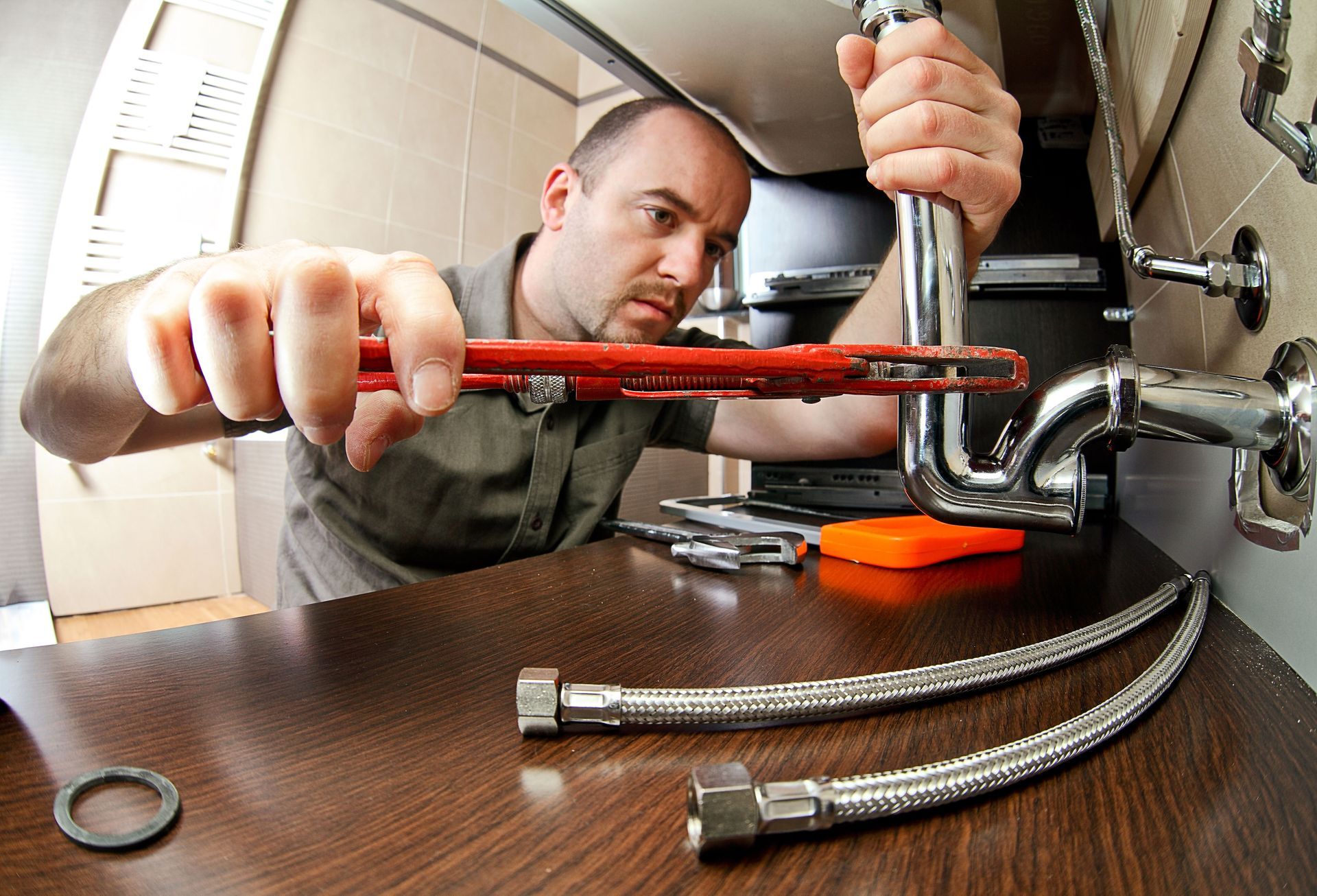
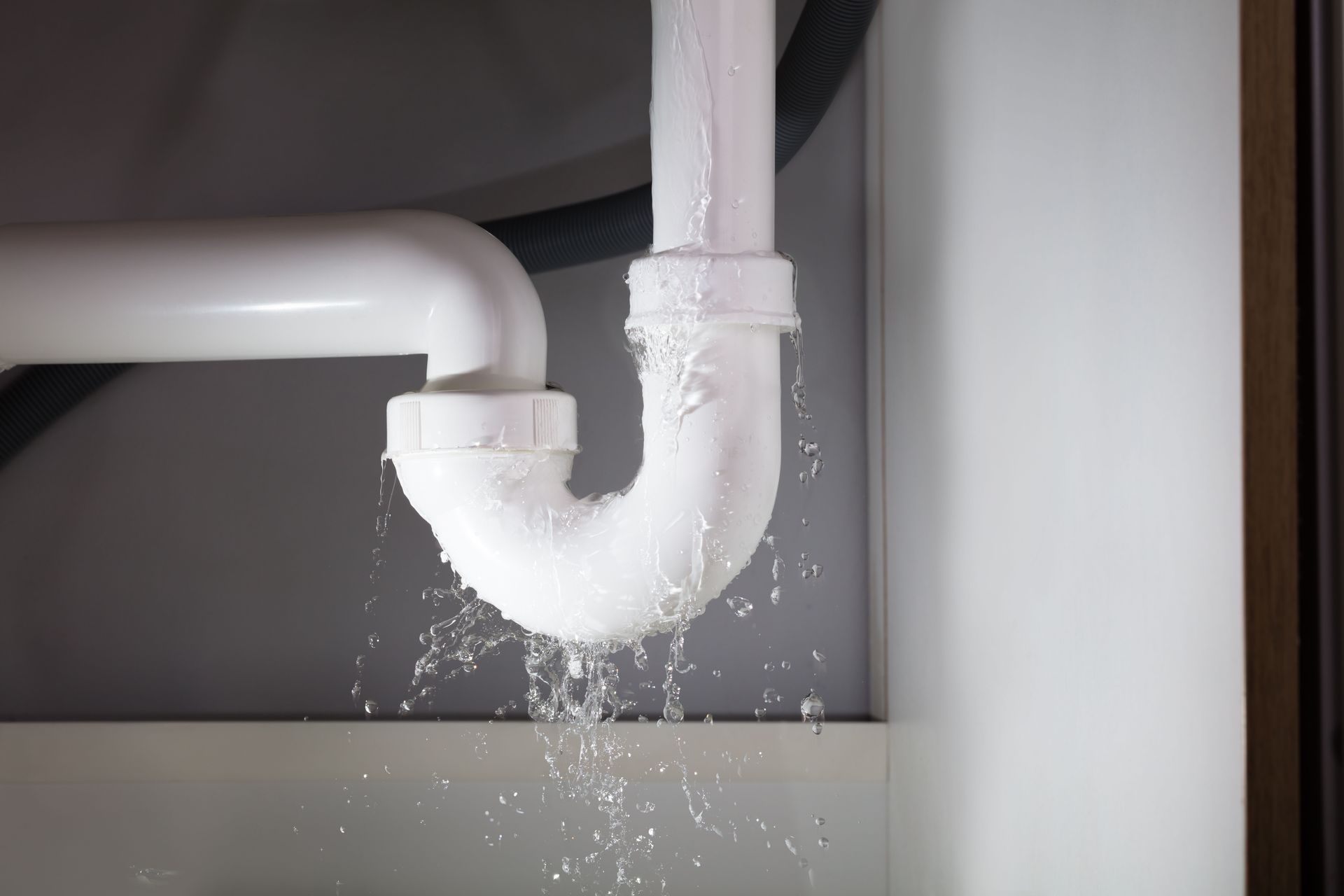
Even the best materials will fail if installed incorrectly. Poor pipe joining, improper slope, or inadequate sealing can lead to leaks, water damage, and long-term structural issues that may not be immediately visible. A trained plumber follows established industry standards to ensure every connection is secure, properly tested, and fully code-compliant.
Precision during installation is essential in new construction because the system must integrate with framing, utilities, and finished surfaces. Pipes need proper support to prevent stress on joints, shifting, or vibration over time. Fixtures also require accurate alignment to avoid strain on supply lines and drainage components.
Rushing installation increases the likelihood of hidden defects that can surface months or years later. These issues often result in expensive repairs and avoidable disruptions. Hiring an experienced plumber helps ensure the workmanship meets professional standards from the beginning.
Designing Ventilation With System Efficiency
Proper venting is essential for maintaining pressure balance and preventing sewer gases from entering living spaces. When ventilation is overlooked, drainage performance suffers and unpleasant odors can develop. A qualified plumber integrates venting into the overall design to ensure safe operation.
Venting systems must be carefully planned to match fixture placement and building layout. Incorrect vent sizing or placement can lead to slow drains and gurgling pipes. These issues are often preventable with expert review during the design stage.
Working with a plumber ensures ventilation supports efficient water flow. Well-designed vent systems contribute to comfort, safety, and long-term reliability. Attention to this detail helps prevent expensive corrective work later.
Calculating Drainage With Accurate Sizing
Drain pipe sizing directly affects system performance. Pipes that are too small can clog frequently, while oversized pipes may reduce flow efficiency. A professional plumber calculates sizing based on fixture load, layout, and overall building demand to ensure proper function.
Accurate drainage planning also accounts for peak usage periods. According to the U.S. Environmental Protection Agency, the average American family uses more than 300 gallons of water per day at home, and roughly 70 percent of this use occurs indoors. This highlights the importance of designing systems that can handle significant interior demand without strain.
A plumber evaluates expected water flow and ensures pipes are properly graded for effective drainage. Correct slope and capacity reduce blockages, support consistent performance, and extend system longevity. Careful calculation during construction helps prevent future operational problems and costly repairs.
Managing Water Usage With Household Demand Awareness
Understanding water consumption patterns is essential in new construction planning because system design must reflect how the property will actually be used. Fixtures, appliances, and any irrigation systems need to be integrated in a way that supports daily demand without creating pressure imbalances. A plumber evaluates projected usage and ensures the plumbing layout can handle peak flow requirements efficiently. Planning for both current needs and potential future expansion helps prevent costly upgrades later.
Water efficiency is not only about conservation; it also directly impacts infrastructure durability and long-term performance. Excessive pressure, uneven distribution, or poorly balanced systems can shorten the lifespan of pipes, fixtures, and connected equipment. Over time, these conditions may lead to leaks, increased maintenance, and higher utility costs. Proper regulation ensures consistent performance across all fixtures while protecting the system from unnecessary strain.
When a plumber evaluates demand early in the project, overall system performance improves significantly. Pressure regulators, shut-off valves, and thoughtful distribution planning work together to maintain balance and reliability. This proactive approach reduces waste, enhances efficiency, and supports long-term durability throughout the entire plumbing system.
Maintaining Systems With Ongoing Inspections
Plumbing systems require regular inspections even after installation is complete. Skipping maintenance can allow minor issues to develop into major repairs. Scheduling routine checkups with a trusted plumber helps detect leaks, corrosion, or pressure irregularities early.
Maintenance is particularly important in newly constructed buildings. Settling, temperature changes, and normal wear can impact system components. Early detection keeps repairs manageable and prevents water damage.
A professional plumber can establish a maintenance plan tailored to the property’s needs. Consistent monitoring ensures the system continues performing as designed. Ongoing attention protects both the structure and the investment.
Preventing Costly Changes During Final Stages
Late-stage plumbing changes are often expensive and disruptive. Modifying pipe routes or fixture locations after walls are closed increases labor and material costs. Careful coordination with a plumber during initial construction reduces the likelihood of these adjustments.
Clear documentation and regular site communication help avoid misalignment between trades. When plumbing plans are integrated with electrical and structural designs, conflicts are minimized. This collaborative approach keeps projects on schedule.
A plumber who participates throughout construction ensures continuity and accountability. Preventing last-minute changes saves time and maintains quality standards. Proper oversight supports smooth project completion.
Avoiding costly plumbing mistakes in new construction requires careful planning, quality materials, precise installation, and ongoing maintenance. Every phase of the project—from design to final inspection—should be coordinated to ensure the system operates efficiently and meets local standards. Each stage benefits from the expertise of a qualified plumber who understands building codes, pressure requirements, and proper system integration. When professionals oversee the work, issues are identified early, reducing rework, delays, and unexpected costs. Systems installed correctly from the start perform more reliably and require less maintenance over time. Careful attention to detail protects the structure, supports efficiency, and delivers long-term value. For professional guidance and dependable service, contact RDW Plumbing LLC.