April 7, 2026
Low water pressure is one of the most frustrating plumbing problems homeowners face. Whether you’re trying to take a shower, wash dishes, or run appliances, weak water flow can disrupt daily routines and signal deeper plumbing issues. Sometimes the cause is minor and easy to fix, but in other cases it may indicate a more serious problem within your plumbing system.
Understanding the most common reasons behind low water pressure can help homeowners identify potential issues early and know when to seek professional assistance. From clogged pipes to hidden leaks, several factors can reduce the flow of water throughout a home. If the problem persists, experienced plumbers can diagnose the underlying cause and restore your system to proper working order. Be sure to consult with professionals before attempting any potential solutions on your own. Inexperienced solutions may cause future problems down the line that will be more expensive.
1. Experiencing Mineral Buildup Inside Pipes
One of the most common causes of low water pressure is mineral buildup within plumbing pipes. Over time, minerals such as calcium and magnesium naturally present in water can accumulate along the inner walls of pipes. This buildup gradually narrows the space water can flow through, restricting movement and reducing pressure throughout the home.
Older homes are particularly vulnerable to this issue, especially if they have galvanized steel pipes. As the mineral deposits continue to build, water flow becomes increasingly restricted. Professional plumbers often use specialized tools or pipe replacement techniques to restore proper water flow and prevent further buildup from damaging the plumbing system.
2. Dealing With Corroded Plumbing Pipes
Corrosion is another common issue that can significantly affect water pressure. Over many years, certain pipe materials can deteriorate due to constant exposure to water and minerals. When corrosion develops inside pipes, it creates rough surfaces and blockages that restrict the natural flow of water.
In severe cases, corrosion may even cause partial collapses or weak points inside the plumbing system. These obstructions reduce water pressure at fixtures like sinks, showers, and washing machines. Plumbers can inspect the plumbing system and determine whether sections of pipe need to be cleaned, repaired, or replaced to restore normal pressure levels.
3. Identifying Hidden Water Leaks in the System
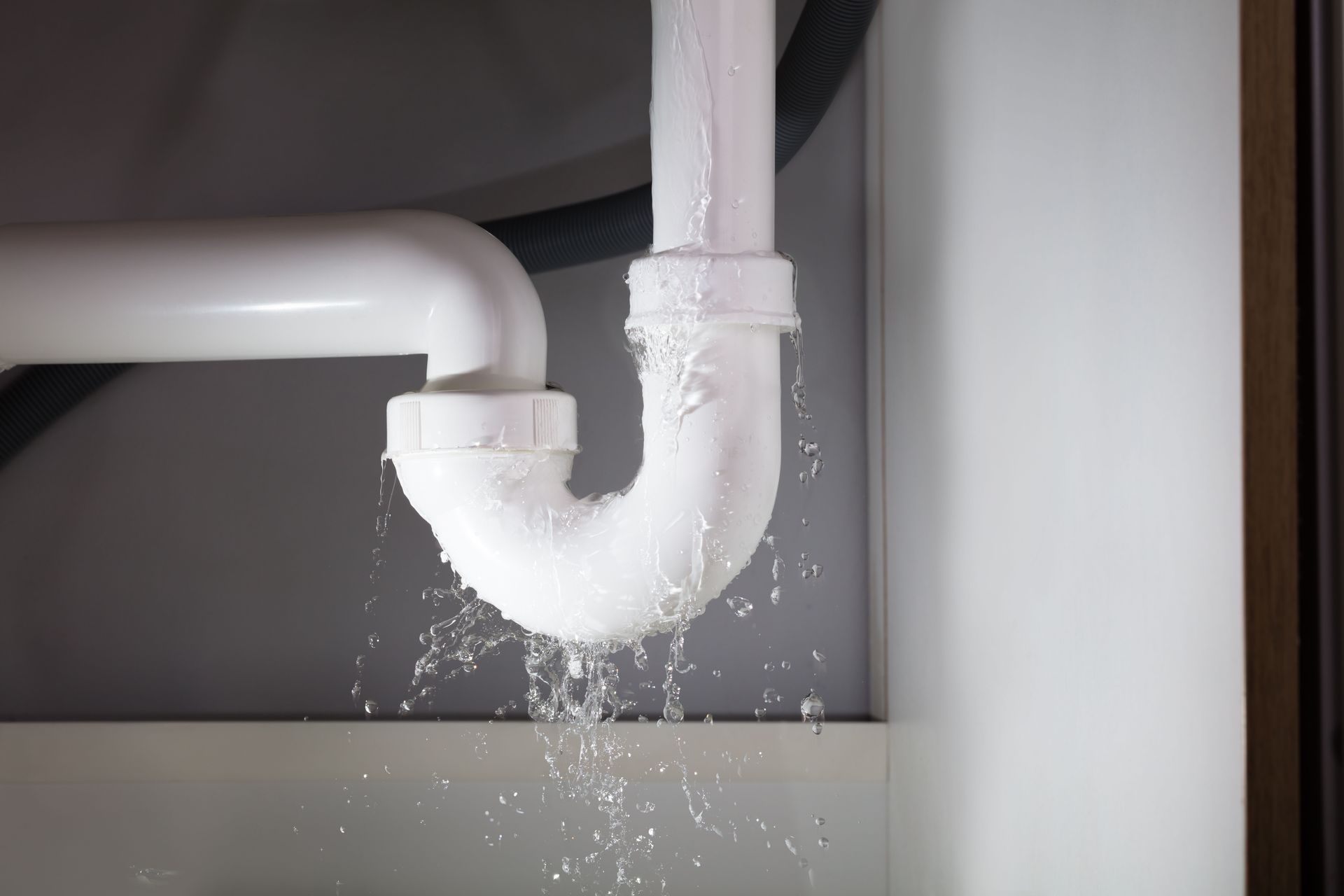
Hidden leaks are another major cause of low water pressure in residential plumbing systems. When water escapes through cracks or damaged pipe connections, less water is available to travel through the rest of the system. This loss can noticeably reduce pressure at fixtures throughout the house.
Leaks may occur behind walls, beneath floors, or underground, making them difficult for homeowners to detect. Signs such as damp areas, unusually high water bills, or the sound of running water can indicate a hidden leak. Skilled plumbers use leak detection equipment to locate these problems quickly and perform the necessary repairs.
4. Noticing Partially Closed Shut-Off Valves
Sometimes the cause of low water pressure is surprisingly simple. Shut-off valves control the flow of water into a home and to individual fixtures. If one of these valves is partially closed, it can significantly limit the amount of water entering the plumbing system.
This issue can occur after plumbing maintenance, renovations, or accidental adjustments. A partially closed main valve or fixture valve may restrict flow to multiple areas of the house. Plumbers can inspect these valves, confirm they are fully open, and ensure that water is flowing properly throughout the plumbing system.
5. Encountering Problems With the Pressure Regulator
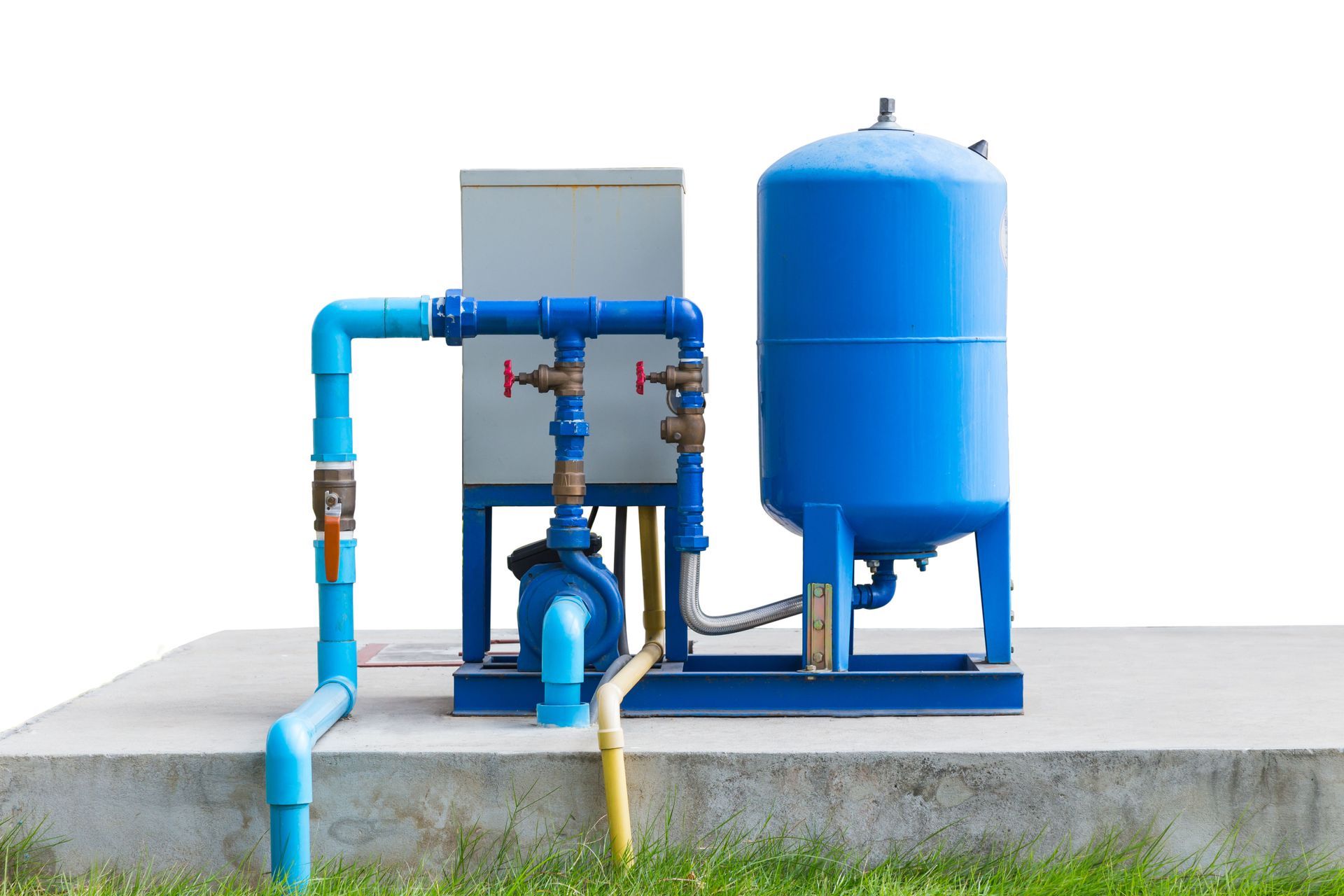
Many homes have a pressure regulator installed on the main water line. This device helps maintain consistent water pressure as water enters the house from the municipal supply. However, when the regulator begins to fail or wear out, it can cause pressure levels to drop suddenly.
Homeowners may notice changes such as fluctuating pressure, weak water flow, or inconsistent performance from fixtures. Replacing or repairing a faulty regulator usually requires professional expertise. Plumbers can test the regulator and determine whether adjustment or replacement is necessary to restore stable water pressure.
6. Using Fixtures With Clogged Aerators or Showerheads
Low water pressure is not always caused by issues within the main plumbing system. Sometimes the problem lies within the fixtures themselves. Aerators and showerheads can accumulate sediment, mineral deposits, and debris that restrict the flow of water.
Over time, these small blockages can significantly reduce water output. Cleaning or replacing the affected components can often improve water pressure immediately. However, if buildup continues to occur frequently, plumbers may investigate whether underlying water quality or pipe issues are contributing to the problem.
7. Sharing Water Demand Across Multiple Fixtures
Another common cause of low water pressure occurs when multiple fixtures are used simultaneously. For example, running the dishwasher while someone is showering and another person is using the washing machine can stretch the available water supply across several appliances.
When water demand exceeds the capacity of the plumbing system, pressure can drop temporarily throughout the home. This situation is especially common in older homes with smaller supply lines. Professional plumbers can evaluate the system and recommend upgrades, such as larger supply lines or pressure boosters, to help balance household water demand.
8. Experiencing Issues With the Municipal Water Supply
Sometimes, low water pressure is not caused by a problem within the home at all. Municipal water supply issues can affect pressure levels throughout an entire neighborhood. Maintenance work, water main breaks, or high demand in the local system can temporarily reduce pressure.
Understanding what qualifies as normal pressure can help homeowners determine whether a problem exists. According to The Spruce, the normal house water pressure is between 30 and 80 psi. If the pressure consistently falls below this range, plumbers can perform tests to determine whether the issue originates within the home’s plumbing system or from the external supply.
9. Struggling With Aging or Undersized Water Supply Lines
In some homes, low water pressure can stem from outdated or undersized water supply lines. Older plumbing systems were often designed with smaller pipes that may not meet the demands of modern households. As families add more appliances, bathrooms, and water-using fixtures, the original piping may struggle to deliver enough water to maintain strong pressure.
Aging supply lines can also become partially restricted over time due to internal wear, sediment buildup, or gradual narrowing of the pipe interior. These limitations reduce the volume of water that can move through the system at once. Experienced plumbers can evaluate whether the home’s supply lines are adequate for current water usage and recommend upgrades that improve flow and restore consistent water pressure throughout the house.
Low water pressure can make everyday tasks inconvenient and may indicate underlying plumbing problems that require attention. From mineral buildup and corroded pipes to hidden leaks and faulty regulators, several factors can restrict water flow in residential plumbing systems. Identifying the cause early can prevent more serious damage and help maintain a reliable water supply throughout your home.
If you’re experiencing persistent low water pressure, professional assistance can make all the difference. The experienced team at RDW Plumbing LLC can inspect your plumbing system, identify the root of the problem, and recommend effective solutions. Contact us to restore proper water pressure and keep your home’s plumbing system running smoothly.