April 7, 2026
Sump pump installation is one of those home improvement tasks that often goes overlooked—until it’s too late. Many homeowners only start thinking about water management after experiencing flooding or moisture issues in their basements. However, plumbers consistently emphasize that proactive planning and proper installation can prevent costly damage and long-term headaches. Understanding what plumbers wish homeowners knew can make all the difference when it comes to protecting your property. From choosing the right system to preparing the installation site correctly, there are several key factors that can influence the effectiveness of your sump pump. By learning from the insights of experienced plumbers, you can make smarter decisions and ensure your home stays dry and secure.
1. Understanding Why Sump Pumps Are Essential for Homes
Water intrusion is one of the most common and damaging issues homeowners face, especially in areas with heavy rainfall or high water tables. A sump pump acts as a critical line of defense by collecting excess water in a basin and redirecting it away from the foundation. Without this system in place, basements can quickly become vulnerable to flooding and structural damage.
Experienced plumbers often point out that many homeowners underestimate how quickly water can accumulate during storms. Even homes that have never experienced flooding can still be at risk due to changing weather patterns and soil conditions. Installing a sump pump is not just about addressing existing problems—it’s about preventing future ones.
By taking a proactive approach, homeowners can avoid the stress and expense associated with water damage. Plumbers emphasize that understanding the importance of a sump pump is the first step toward making a well-informed decision about installation.
2. Recognizing Warning Signs Before Installation Becomes Urgent
Many homeowners wait until visible damage appears before considering a sump pump, but plumbers advise attention to early warning signs. Damp walls, musty odors, and minor pooling of water in the basement are all indicators that moisture is becoming a problem. These issues may seem minor at first, but they can quickly escalate if left unaddressed.
Another factor to consider is the location of your home. Properties situated in low-lying areas or regions prone to heavy rainfall are naturally more susceptible to water accumulation. Plumbers frequently recommend installing a sump pump before problems arise, rather than reacting after damage has already occurred.
Being attentive to these warning signs allows homeowners to act early, saving both time and money. With guidance from skilled plumbers, it becomes easier to identify when installation is necessary and how to proceed effectively.
3. Comparing Installation Costs With Potential Water Damage
One of the most common concerns homeowners have is the cost of sump pump installation. While the upfront expense may seem significant, plumbers consistently stress that it is far less than the cost of repairing water damage. Flooded basements can lead to ruined flooring, damaged walls, mold growth, and even compromised structural integrity.
When weighing these costs, it becomes clear that installation is a worthwhile investment. Plumbers often share real-world examples of homeowners who faced extensive repairs simply because they delayed installing a sump pump. Insurance may cover some damages, but deductibles and increased premiums can still create a financial burden.
By investing in a sump pump early, homeowners can protect their property and avoid unexpected expenses. This long-term perspective is something plumbers strongly encourage when discussing installation decisions.
4. Appreciating Long-Term Value Beyond Immediate Protection
While preventing flooding is the primary purpose of a sump pump, plumbers highlight several additional benefits that homeowners may not immediately consider. One of the most significant advantages is the reduction of hydrostatic pressure around the foundation, which helps maintain structural stability over time.
In addition, controlling moisture levels can prevent mold growth and improve indoor air quality. This creates a healthier living environment, particularly for individuals with allergies or respiratory conditions. Plumbers also note that homes equipped with reliable water management systems are often more appealing to potential buyers.
These long-term benefits make sump pump installation a valuable investment that extends beyond immediate protection. By listening to the advice of professional, experienced plumbers, homeowners can better understand the full scope of advantages associated with this system.
5. Debunking Common Myths About Sump Pump Systems
There are several misconceptions that can prevent homeowners from installing a sump pump, and plumbers frequently encounter these misunderstandings. One common myth is that a sump pump is unnecessary if a basement has never flooded. In reality, conditions can change over time, making any home susceptible to water intrusion.
Another misconception is that sump pumps are noisy or inefficient. Modern systems are designed to operate quietly and use energy efficiently, making them a practical addition to most homes. Plumbers also clarify that while sump pumps are highly effective at managing water, they are not a cure-all solution for every moisture issue.
By addressing these myths, plumbers help homeowners make more informed decisions and avoid unnecessary risks. Understanding the facts ensures that installation choices are based on accurate information rather than misconceptions.
6. Choosing the Right Type of Sump Pump for Your Setup
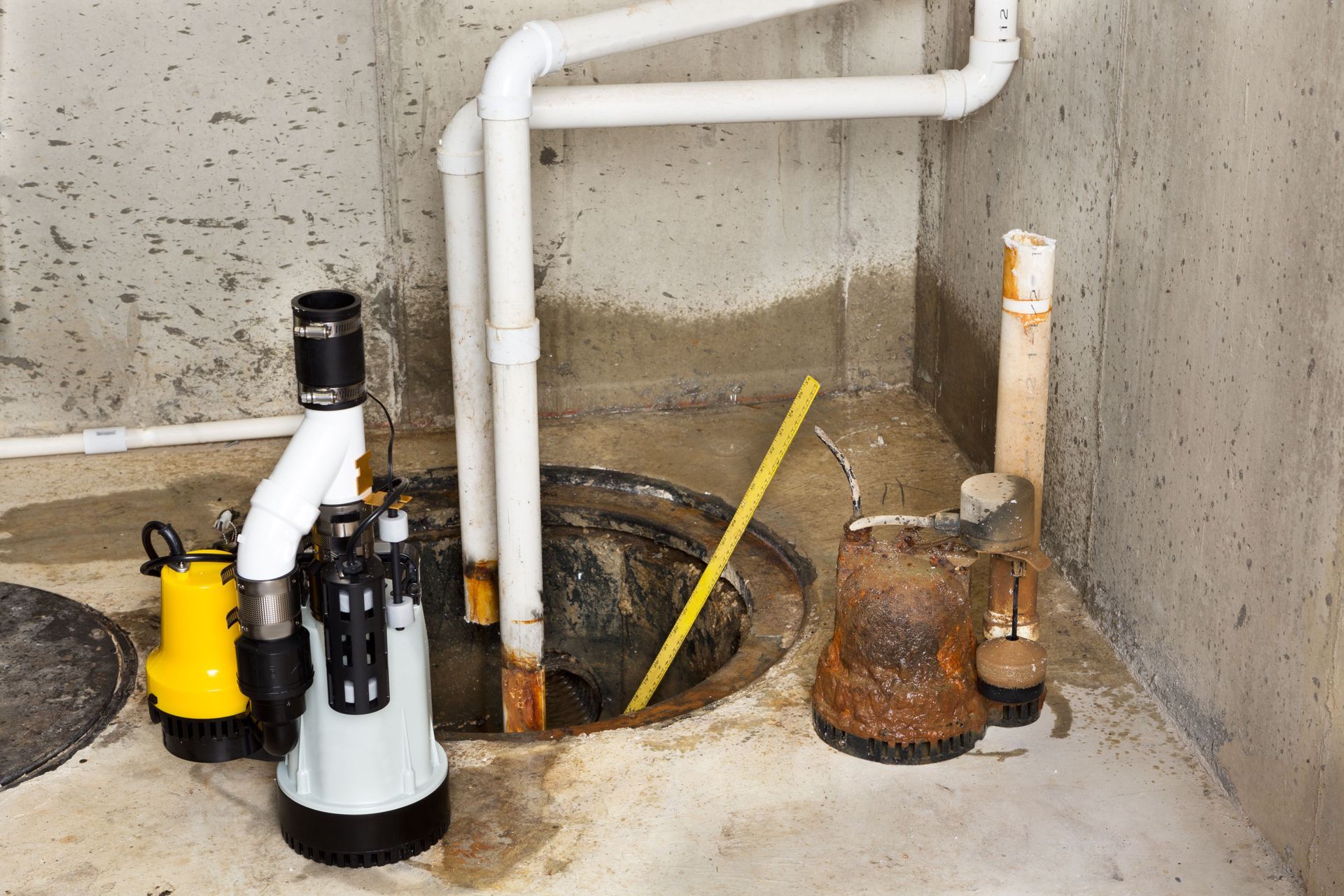
Selecting the appropriate sump pump for your home is a critical step in the installation process, and plumbers emphasize the importance of understanding the available options. The two most common types are pedestal pumps and submersible pumps, each offering its own unique advantages.
Pedestal pumps have motors positioned above the basin, making them easier to access for maintenance. Submersible pumps, on the other hand, are installed in the basin and operate more quietly. Plumbers often recommend submersible models for homeowners who prioritize noise reduction and efficiency.
The decision ultimately depends on individual needs, budget, and preferences. By consulting with knowledgeable plumbers, homeowners can choose a system that aligns with their specific requirements and ensures optimal performance.
7. Evaluating Key Factors Before Making a Purchase
Before purchasing a sump pump, several important factors should be considered to ensure it meets your home’s needs. Capacity, material quality, and power source all play a role in determining the effectiveness of the system. Plumbers often advise selecting pumps made from durable materials such as cast iron or stainless steel for long-lasting performance.
Capacity is particularly important, as the pump must be able to handle the volume of water expected during heavy rainfall. Additionally, considering a model with a battery backup can provide peace of mind during power outages. Plumbers frequently stress that these extra features can make a significant difference during emergencies.
Taking the time to evaluate these factors ensures that homeowners invest in a reliable system that will perform when it matters most.
8. Preparing the Installation Site for Optimal Performance
Proper site preparation is one of the most critical aspects of sump pump installation, and it is something plumbers believe homeowners often overlook. The sump pit should be located at the lowest point of the basement, where water naturally collects.
Accurate excavation is essential for ensuring the system functions correctly. According to Today’s Homeowner, most building codes require a sump pit to be at least 18 inches wide and 24 inches deep. Following these guidelines helps ensure that the pump can operate efficiently and handle water accumulation effectively.
Professional plumbers understand the importance of meeting these requirements and can ensure that the installation is completed correctly. Proper preparation not only improves performance but also extends the lifespan of the system.
Sump pump installation is a crucial step in protecting your home from water damage, and understanding what experienced plumbers wish you knew can make the process far more effective. From recognizing early warning signs to selecting the right equipment and preparing the installation site, every detail plays a role in ensuring long-term success.
By taking a proactive approach and seeking guidance from knowledgeable plumbers, homeowners can avoid costly mistakes and enjoy greater peace of mind. A properly installed sump pump not only safeguards your property but also enhances its overall value and livability. With the right knowledge and preparation, you can ensure that your home remains dry, secure, and well-protected for years to come. If you are in the Marion, IA area and seeking professional plumbers to assess your sump pump situation, contact RDW Plumbing LLC today.