November 20, 2026
Aging pipes are a common cause of water leaks in residential and commercial properties. As plumbing systems deteriorate, corrosion, shifting soil, temperature changes, and mineral buildup can weaken pipes and connections. Understanding these risks helps property owners recognize the importance of professional inspections, timely repairs, and necessary upgrades.
Common Problems With Aging Pipes
Water pipes are designed to last for years, but their durability depends on the materials used, installation quality, and surrounding conditions. Older properties may contain galvanized steel, cast iron, or other materials that become more vulnerable to deterioration over time. Even newer pipes can develop problems because of excessive pressure, poor installation, or environmental stress.
Years of exposure to minerals, chemicals, and temperature fluctuations can gradually weaken plumbing systems. These conditions may cause small openings to develop, allowing water to escape behind walls, beneath floors, or underground. Professional plumbers can evaluate existing pipes and determine whether repairs or replacements are necessary.
Pipe Corrosion and Material Deterioration
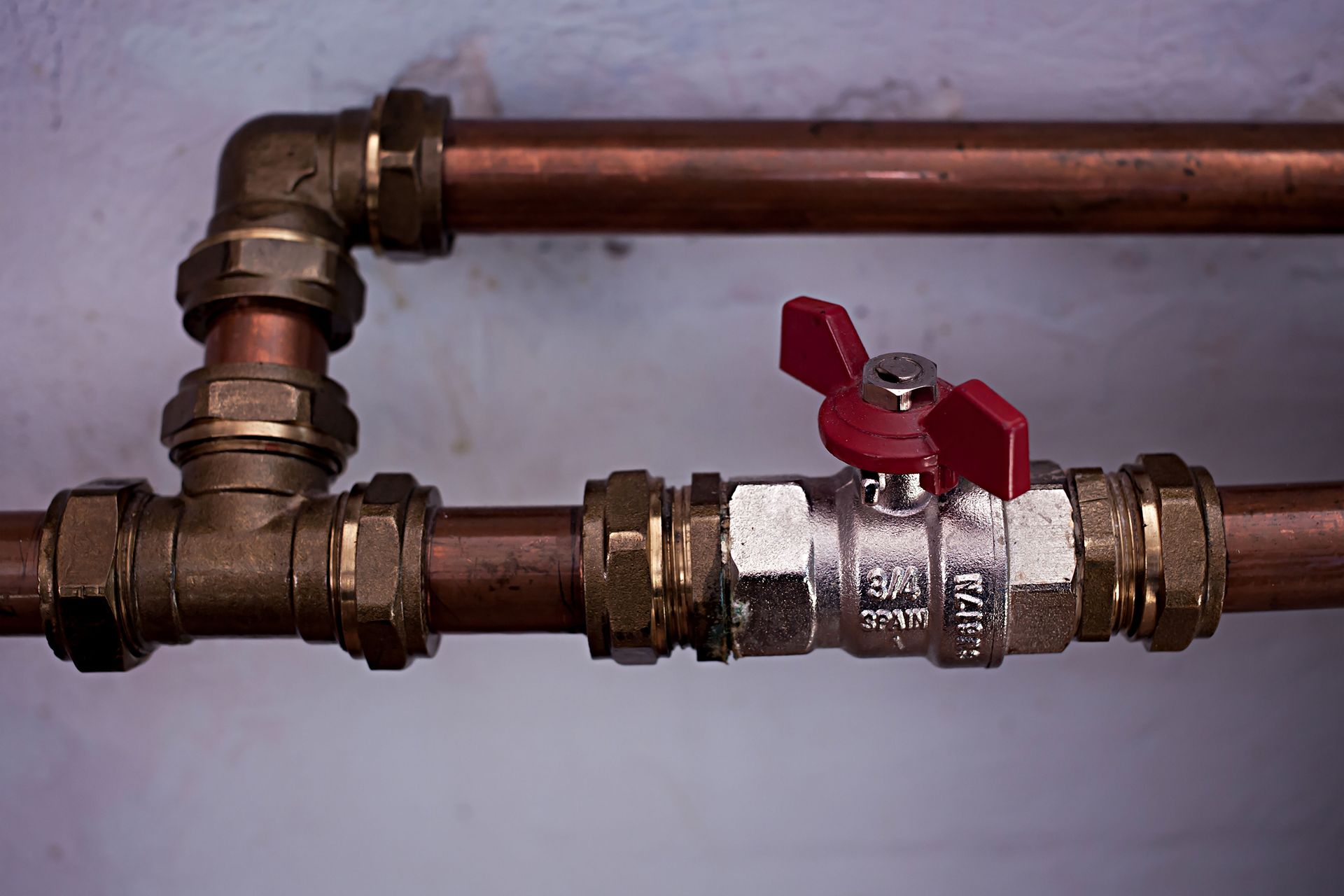
Different pipe materials have different vulnerabilities. Older metal pipes are particularly susceptible to corrosion, which gradually reduces their structural integrity. Plastic pipes generally resist corrosion but can still develop cracks, joint failures, and other forms of deterioration.
As corrosion progresses, pipe walls may become thinner and more vulnerable to leaks. Mineral deposits can also accumulate inside pipes, restricting water flow and contributing to pressure changes. Professional plumbers can assess these conditions and recommend solutions that address the underlying problems.
Environmental Causes of Pipe Damage
Environmental conditions can place additional stress on older plumbing systems, particularly pipes buried underground or exposed to seasonal temperature changes. Soil movement, erosion, and ground settlement can shift pipes out of alignment or place pressure on their connections. Over time, these stresses can create cracks and increase the likelihood of leaks.
Freezing temperatures can also damage vulnerable pipes. When water freezes, it expands and places pressure on the pipe walls, potentially causing cracks or bursts. Tree roots present another concern because they can enter existing openings and worsen damage as they grow. Professional plumbers consider these environmental factors when investigating recurring leaks. Identifying the underlying cause helps determine the most effective repair or replacement strategy.
Financial Costs of Water Leaks
Water leaks can create expenses that extend beyond repairing damaged pipes. According to This Old House, the average household loses roughly 10,000 gallons of water annually due to leaks. This waste can increase utility bills while placing unnecessary pressure on local water resources.
Unnoticed leaks can also damage flooring, insulation, drywall, and structural materials. Persistent moisture may encourage mold growth and create conditions that require extensive restoration. Commercial properties can experience additional expenses from damaged equipment, lost inventory, and business interruptions.
Prompt professional attention can help limit these consequences. Plumbers can identify leaks, evaluate the extent of the damage, and recommend appropriate repairs before the problem becomes more expensive.
Health and Safety Risks of Leaking Pipes
Deteriorating plumbing can affect both property conditions and occupant safety. Depending on the materials involved, corroded pipes may affect water quality and require further evaluation. Older plumbing systems may also contain materials that need specialized handling during repairs or replacement.
Persistent leaks create damp conditions that encourage mold and mildew growth. These problems can affect indoor air quality, particularly when moisture remains hidden inside walls or beneath flooring. Water can also create slippery surfaces and damage nearby building materials. Property owners should arrange professional inspections when they notice unexplained moisture, unusual water discoloration, or recurring plumbing problems. Qualified plumbers can determine whether aging pipes are contributing to these concerns and recommend appropriate solutions.
Warning Signs of Pipe Deterioration
Recognizing early warning signs can help property owners address plumbing problems before they cause extensive damage. Unexplained increases in water bills may indicate a hidden leak, while damp spots, peeling paint, and musty odors can suggest moisture behind walls or beneath floors. Changes in water pressure may indicate mineral buildup, corrosion, or a developing leak. Rust-colored water can also signal corrosion in certain plumbing systems, although other factors may contribute to discoloration. Repeated leaks in different locations may indicate that the overall piping system is deteriorating rather than experiencing an isolated problem. The age of a property can provide useful context, but age alone does not determine whether pipes need replacement. Professional plumbers can evaluate the system, investigate recurring symptoms, and recommend suitable next steps.
Professional Leak Detection and Inspections
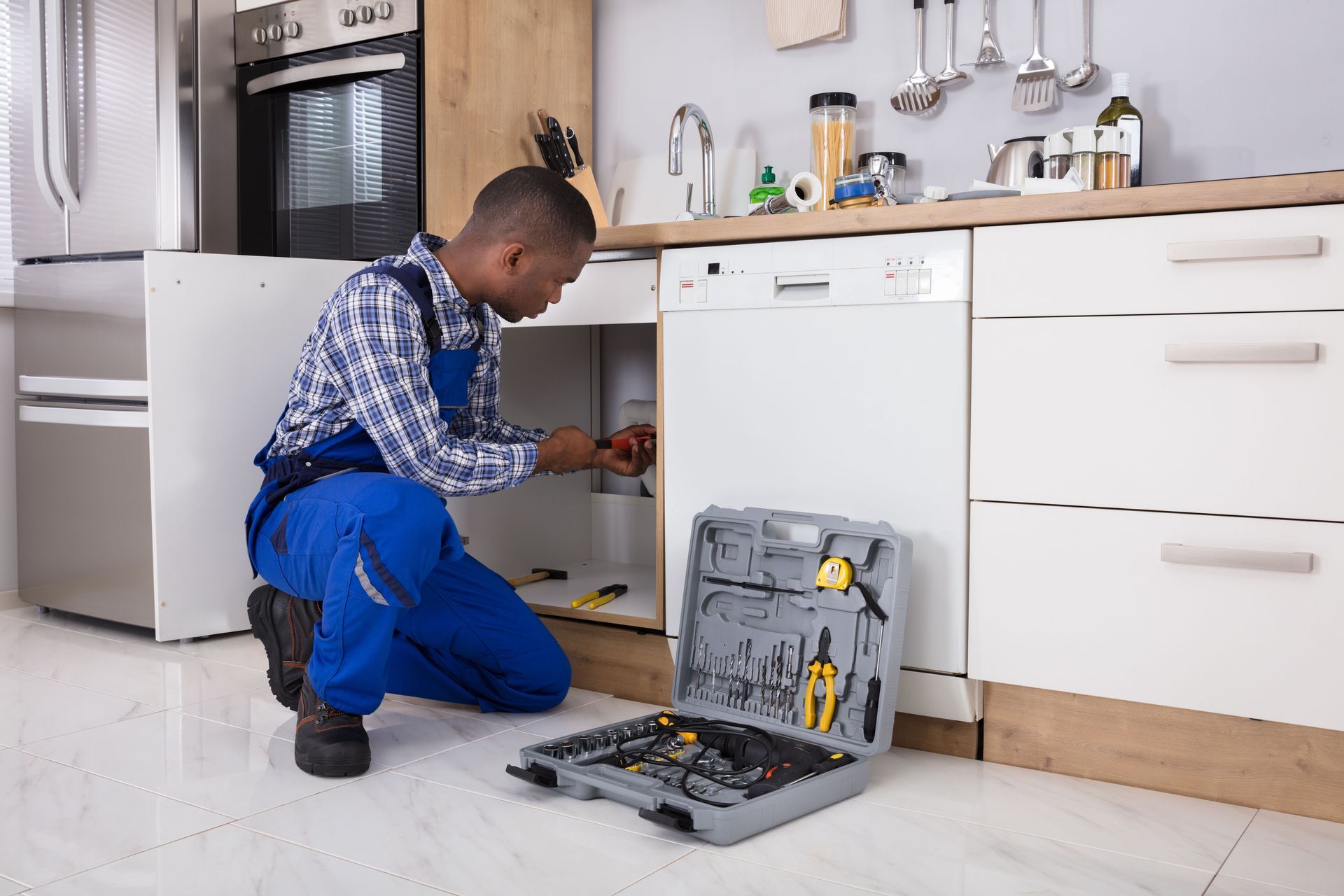
Professional inspections help identify weaknesses before they cause extensive water damage. Plumbers can examine accessible piping, assess connections, evaluate water pressure, and investigate signs of hidden moisture. Specialized leak detection equipment may also help locate problems behind walls, beneath floors, or within underground lines.
Water can travel away from the original leak before becoming visible, making the source difficult to identify without appropriate equipment. A thorough inspection helps distinguish between an isolated connection problem and widespread pipe deterioration. Regular evaluations can also help property owners understand how their plumbing systems change over time. By identifying vulnerable sections and recurring concerns, plumbers can recommend repairs or replacements before additional failures occur.
Pipe Repair and Replacement Options
The appropriate solution depends on the extent of the damage, the pipe material, and the condition of the overall system. A localized leak caused by a damaged connection may require only a targeted repair. However, widespread corrosion, repeated failures, or extensive deterioration may make pipe replacement a more practical option.
Replacing severely deteriorated pipes can improve reliability and reduce the likelihood of recurring leaks. Modern plumbing materials may offer better resistance to corrosion and other common causes of failure, depending on the application and installation requirements. A professional assessment helps determine which materials and methods are appropriate for the property.
Property owners should also consider the long-term costs of repeated repairs. When numerous sections of an older system are deteriorating, replacing individual components may become less economical than addressing the broader problem. Professional plumbers can explain the available options and help property owners make informed decisions.
Future Plumbing Leaks
Although all plumbing materials eventually experience wear, professional maintenance can help reduce the likelihood of serious failures. Periodic inspections allow plumbers to identify corrosion, deteriorating connections, pressure concerns, and other conditions that could lead to leaks. Water pressure is another important consideration because excessive pressure can strain pipes, fittings, and plumbing fixtures. Professional evaluation can determine whether pressure levels are appropriate and whether adjustments are needed. Monitoring recurring problems can also help identify underlying weaknesses before additional damage occurs.
Property owners should consider the age of the building, previous leak history, and type of piping when planning plumbing maintenance. Systems with repeated failures may benefit from a comprehensive evaluation rather than continued repairs to individual leaks. Aging pipes increase the risk of water leaks through corrosion, weakened connections, environmental stress, and gradual deterioration. These problems can waste water, damage property, and create costly repairs when left unaddressed. Recognizing warning signs and arranging professional inspections can help property owners address concerns early.
Experienced plumbers have the knowledge and equipment needed to locate hidden leaks, evaluate pipe conditions, and determine suitable repair or replacement options. A professional assessment can clarify whether an isolated problem or a larger plumbing issue requires attention. Contact RDW Plumbing LLC to schedule a professional plumbing inspection or discuss concerns about aging pipes and water leaks. Their team can help identify potential sources of water loss and recommend solutions suited to your property's needs.