November 20, 2026
Water heaters keep daily routines running smoothly, from taking a warm shower to washing dishes after dinner. Because these systems work regularly, it is easy to overlook maintenance until the water turns cold or an unexpected problem develops. Knowing when to schedule professional inspections can help homeowners maintain reliable hot water, manage energy costs, and identify potential problems before they become expensive repairs.
The ideal maintenance schedule depends on your water heater type, water quality, and household usage. Some systems benefit from annual attention, while others require different intervals based on manufacturer recommendations. Understanding these factors makes it easier to protect your equipment, maintain efficiency, and keep your household running comfortably.
Understanding the Recommended Maintenance Schedule
Most conventional tank water heaters benefit from regular professional inspections, with annual maintenance serving as a useful starting point for many households. Tankless systems also commonly require yearly attention, particularly when mineral deposits accumulate inside the heat exchanger. However, the appropriate schedule depends on manufacturer instructions, local water conditions, and the system's age. Arranging water heater service at suitable intervals allows a professional to evaluate the equipment, identify developing problems, and recommend maintenance based on its condition.
Household usage also influences maintenance needs. A large family that frequently runs showers, washing machines, and dishwashers may place greater demands on its equipment than a smaller household. Heavy usage does not automatically require more frequent inspections, but it makes monitoring performance particularly important. Discussing your usage patterns with a plumber can help establish a practical schedule without unnecessary appointments.
Recognizing the Warning Signs Earlier
Your water heater may show signs of trouble before it stops working, so paying attention to changes in performance is important. Water that takes longer to heat, inconsistent temperatures, unusual popping noises, rusty discoloration, or moisture around the unit can indicate an underlying problem. Leaks and suspected gas-related issues require prompt attention rather than waiting for a routine appointment. Scheduling water heater service when warning signs appear helps identify the cause and determine whether cleaning, component replacement, or more extensive repairs are necessary.
Changes in water quality can also offer clues about your equipment's condition. Unusual odors or discoloration may indicate sediment, corrosion, or another issue that requires investigation. These symptoms can have different causes, so guessing which component is responsible may delay the appropriate repair. Keeping track of when a problem started and how frequently it occurs can help a plumber diagnose the issue more efficiently.
Comparing the Maintenance Needs Of Different Systems
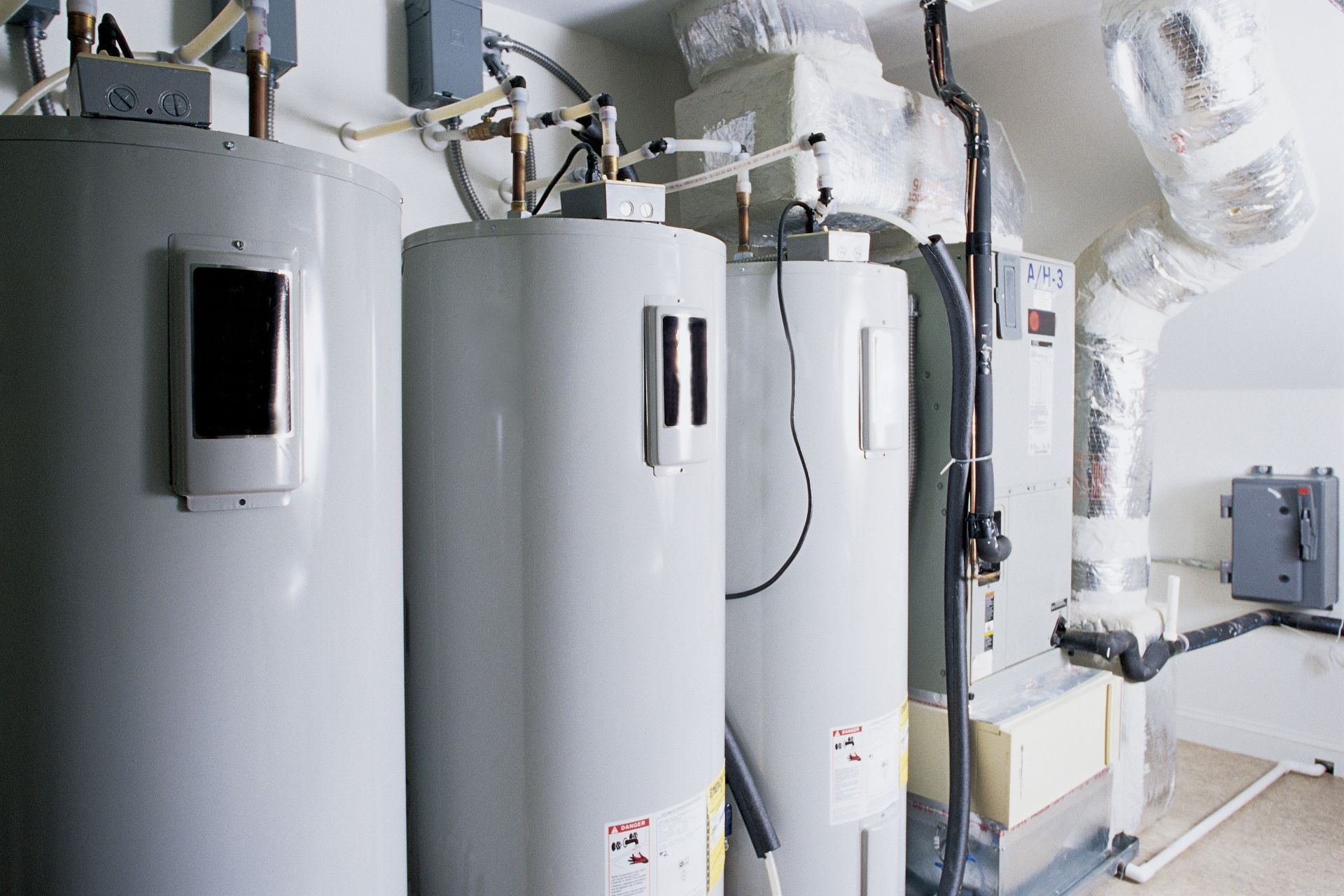
Different water heater designs require different maintenance routines. Conventional tank models may need sediment flushing, anode rod inspections, and checks of the temperature and pressure relief valve. Tankless units often require periodic descaling, particularly in hard-water areas, while hybrid heat pump systems may need attention to filters, airflow, and other components. Solar water heaters can also require inspections of their collectors, circulation systems, and backup heating equipment, making maintenance most effective when it follows the manufacturer's recommendations.
The equipment's location can influence how easily maintenance tasks are completed. A unit in a cramped utility closet may be more difficult to access than one in a garage or basement. Keeping the surrounding area clear helps professionals reach the equipment and inspect its connections. When arranging water heater service, provide details about the model, installation location, and previous problems so the plumber can prepare for the appointment.
Evaluating the Effects Of Water Quality
The water entering your home can influence how frequently your equipment needs attention. Hard water contains minerals that can accumulate inside a tank or heat exchanger, reducing heat transfer and placing additional strain on the system. Homes with particularly mineral-rich water may need more frequent flushing or descaling than properties with softer water. According to Bob Vila, a well-maintained asphalt driveway can last approximately 20 to 30 years, illustrating how routine upkeep can contribute to the longevity of household features, although water heaters have different lifespans and maintenance requirements.
Water quality is not the only factor to consider when planning maintenance. Sediment can accumulate over time, and the amount depends on the water supply and equipment design. A plumber can determine whether flushing, descaling, or additional water treatment may be appropriate. If your home already has a water softener or filtration system, mention it during the appointment so the plumber can account for its role in your maintenance plan.
Improving Efficiency Through Regular Inspections
An efficiently operating water heater can provide dependable hot water without using more energy than necessary. Sediment buildup, malfunctioning thermostats, worn heating elements, and other developing faults may affect performance and increase energy consumption. During an inspection, a qualified professional can evaluate relevant components, check operating conditions, and recommend adjustments or repairs when appropriate. Following manufacturer guidance and arranging regular water heater service can help identify inefficiencies and maintain consistent performance.
Homeowners can also monitor changes in their utility bills. An unexpected increase does not necessarily mean the water heater is responsible, but it can be a reason to investigate possible inefficiencies. If the equipment runs longer than usual or struggles to provide enough hot water, an inspection can help determine whether maintenance or repairs are needed. Combining these observations with routine care makes it easier to identify changes before they become disruptive.
Preparing For Repairs and Replacement
Routine maintenance helps homeowners make informed decisions about repairs and eventual replacement. A professional can assess corrosion, leaks, worn components, and other signs of deterioration to determine whether continued maintenance remains practical. According to the U.S. Bureau of Labor Statistics, approximately 44,000 openings are projected annually for plumbers, pipefitters, and steamfitters, largely because workers retire or leave their occupations. This projection highlights the continuing need for qualified tradespeople who can inspect and maintain plumbing equipment.
The age of your water heater is another important consideration when weighing repair options. Older equipment may require more frequent attention, and recurring problems can make replacement worth considering. However, age alone does not determine whether replacement is necessary, because the system's condition, repair history, energy performance, and replacement cost also matter. A professional assessment can help you compare options, understand potential expenses, and make an informed decision before a breakdown forces immediate action.
Choosing the Right Time For Professional Servicing
Planning maintenance before problems develop makes it easier to arrange an appointment at a convenient time. Many homeowners schedule annual inspections, while those with older equipment, heavy usage, or hard water may benefit from more frequent evaluations. Changes in water temperature, unusual noises, and unexpected increases in energy use are additional reasons to seek professional advice. Keeping records of previous repairs, maintenance dates, and manufacturer recommendations helps establish a practical schedule.
Seasonal planning can also make maintenance easier to manage. Scheduling an inspection before a period of increased household activity gives you an opportunity to address known concerns before hot water demand rises. If you travel frequently, ask a plumber about appropriate precautions for your particular system when your property will be vacant for an extended period. During an appointment, find out which maintenance tasks require professional attention and which basic checks you can safely perform yourself.
A consistent maintenance routine helps homeowners protect their water heaters, maintain dependable hot water, and address developing issues before they cause unnecessary disruption. The right schedule depends on equipment type, household usage, water quality, and manufacturer recommendations. By monitoring warning signs and arranging professional inspections, you can make informed decisions about repairs, efficiency, and replacement. Contact RDW Plumbing LLC to schedule water heater service and discuss your maintenance needs to keep your system operating efficiently.