October 26, 2026
A plumbing system works, so maintenance should not be limited to moments when something goes wrong. Small leaks, slow drains, and aging fixtures can affect how reliably water moves through a home. A year-round maintenance routine gives homeowners a way to spot changes early and know when professional help is appropriate.
Water conservation is one reason routine attention matters. According to the U.S. Environmental Protection Agency, fixing easily corrected household leaks can save homeowners about 10% on their water bills. A dripping faucet or running toilet may seem minor, but wasted water adds up. Combining regular observation with timely service from a local plumber can help keep the system working efficiently.
Spring: Check for Winter Damage and Hidden Leaks
Spring is a good time to look for problems that may have developed during cold weather. Freezing temperatures can stress exposed pipes, outdoor faucets, and other plumbing components, and some damage may not become obvious until temperatures rise.
Walk through the home and look under sinks, around toilets, near water heaters, and along plumbing for moisture, staining, or corrosion. Pay attention to faucets that continue dripping after they are shut off. If water use seems unusually high, a leak may be present even when no water is visible.
The EPA notes that common household leaks include worn toilet flappers, dripping faucets, and leaking valves. When a problem cannot be corrected safely or the source is unclear, a local plumber can inspect the system and determine what repair is needed.
Spring is a time to inspect a sump pump. Test the system according to the manufacturer's instructions and watch for unusual noises, constant running, or failure to activate. RDW Plumbing provides sump pump installation, repair, troubleshooting, backup pump installation, and maintenance for homeowners in the Cedar Rapids area.
Summer: Watch High-Use Fixtures and Drains
Summer often brings more activity at home, which can place additional demand on kitchens, bathrooms, and outdoor plumbing. Faucets, toilets, garbage disposals, and drains may see heavier use during gatherings, school breaks, or visits from family and friends.
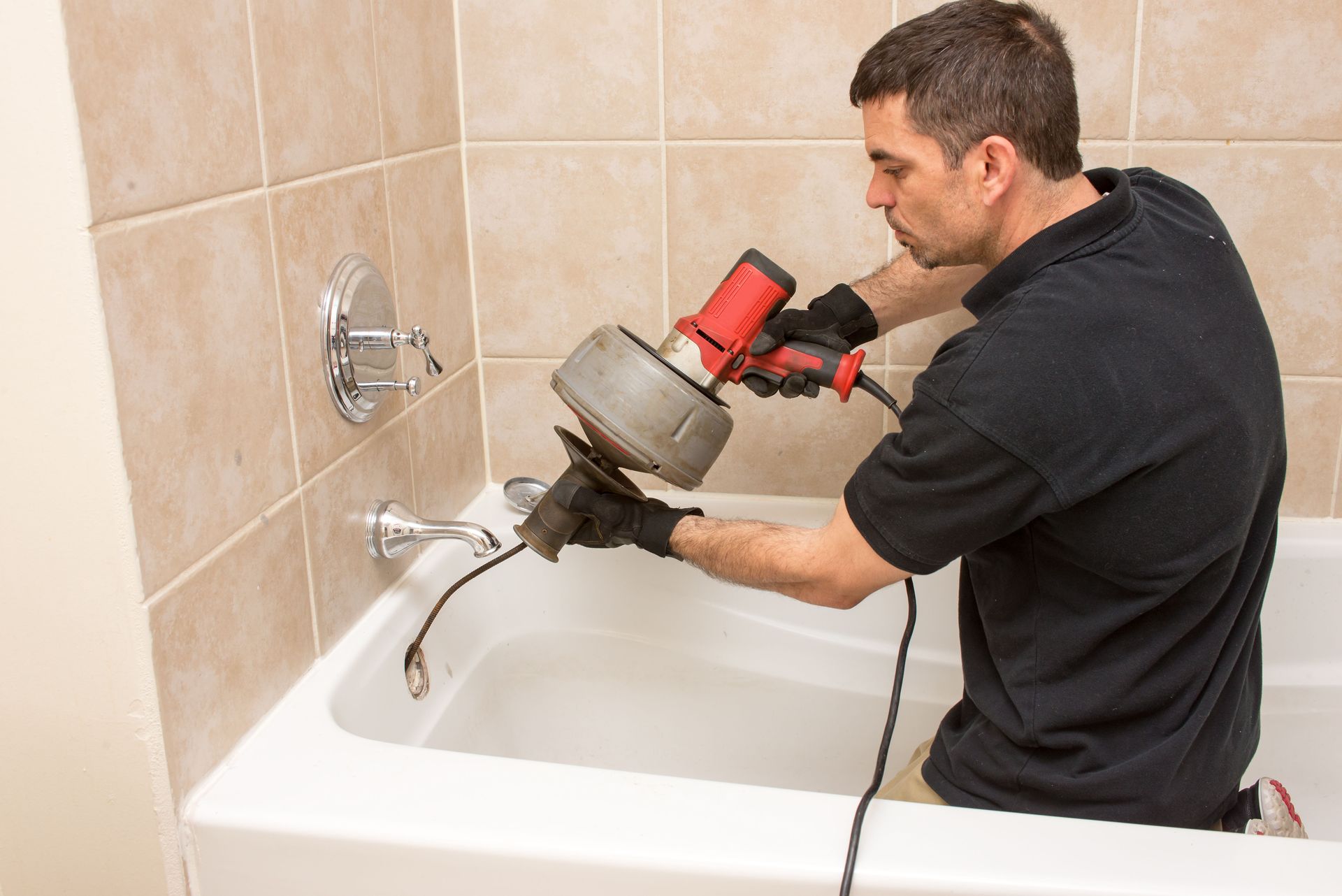
Keep an eye on slow drains and recurring clogs. One slow fixture may indicate a localized obstruction, while several slow drains could point to a larger drainage issue. Avoid relying on repeated chemical treatments when a clog keeps returning. RDW Plumbing recommends professional drain cleaning for a thorough solution because plumbers have specialized equipment designed to clear obstructions and evaluate the cause.
This is also a useful season to check toilets for continuous running, weak flushing, or leaks around the base. Problems with a flapper, fill valve, flush valve, or other component can waste water or interfere with normal operation. A local plumber can determine whether repair or replacement is the more appropriate option.
Garbage disposals also deserve attention. Unusual noises, repeated jams, leaks, or failure to start can indicate a mechanical or electrical problem. Do not reach into a disposal or attempt internal repairs while power is connected.
Fall: Prepare Plumbing for Colder Weather
Autumn is the time to prepare plumbing for freezing temperatures. Disconnect garden hoses before cold weather arrives and check outdoor faucets for dripping or damage. Water left in connected hoses can contribute to freezing conditions at the faucet and nearby piping.
Inspect pipes in basements, crawl spaces, garages, and other areas that may become cold. Exposed plumbing may need appropriate insulation, particularly in spaces that are not consistently heated. If you are unsure which pipes are vulnerable or notice signs of previous freezing, a local plumber can evaluate the area and recommend appropriate protection.
Fall is also a good time to pay attention to the water heater before winter increases demand for hot water. Watch for inconsistent water temperature, unusual noises, leaks, or visible corrosion. RDW Plumbing's FAQ notes that many water heater problems can be repaired and that replacement is generally necessary when the tank itself is leaking. A professional diagnosis can prevent homeowners from replacing equipment unnecessarily.
Backflow prevention equipment should also be maintained according to local requirements. RDW Plumbing offers backflow preventer repairs and testing, making fall a convenient time to confirm that required testing or service is current.
Winter: Protect Pipes and Respond Quickly to Warning Signs
Winter creates some of the most serious plumbing risks because water expands when it freezes. Pipes in cold locations can freeze and potentially split, leading to water damage once the ice thaws.
Keep the home heated consistently and pay attention to rooms or spaces where plumbing runs through exterior walls or unheated areas. A sudden loss of water flow from a faucet during freezing weather can indicate a frozen section of pipe. Avoid using an open flame or other unsafe methods to thaw plumbing.
If a pipe bursts or a major leak develops, know how to shut off the home's main water supply. Every adult in the household should know where the shutoff valve is located and how it operates. After stopping the water, contact a local plumber for professional repair rather than attempting a temporary fix that may not withstand normal pressure.
Winter is also a good time to monitor the water heater closely. Longer showers and colder incoming water can place additional demand on the system, making performance changes easier to notice.
Maintain Fixtures Throughout the Year
Seasonal maintenance matters, but some plumbing tasks should happen throughout the year. Check faucets, toilets, sinks, tubs, and visible supply lines regularly. New moisture, discoloration, rust, unusual noises, or changes in water pressure deserve attention.
The EPA recommends checking homes for leaks regularly because leaks can waste water and damage surrounding materials. Addressing a small problem early can be simpler than waiting until water reaches cabinets, flooring, walls, or ceilings.
RDW Plumbing offers faucet installation and repair, toilet repair and replacement, sink services, shower and tub work, garbage disposal service, and other residential plumbing solutions. Calling a local plumber when symptoms persist can help determine whether a fixture needs a minor repair, new component, or replacement.
Keep Drains Working Properly
Healthy drains should carry water away without repeated backups, gurgling, or persistent odors. Slow drainage is often one of the earliest indications that buildup or an obstruction is developing.
Be mindful of what enters kitchen and bathroom drains. Grease, fibrous food waste, wipes, and other inappropriate materials can contribute to blockages. If a drain repeatedly slows after being cleared, professional evaluation may be more useful than continuing to treat the symptom.
A plumber can use appropriate drain-cleaning equipment and determine whether the issue is isolated to one fixture or connected to a larger drainage problem. Timely attention can help restore normal flow and reduce the disruption caused by a complete blockage.
Know When Professional Service Is the Right Choice
Homeowners can monitor fixtures, look for moisture, and keep records of changes, but many plumbing repairs require training, tools, and knowledge of local codes. Work involving water heaters, backflow devices, concealed leaks, supply piping, or persistent drainage problems is generally better handled professionally.
RDW Plumbing LLC serves Cedar Rapids, Marion, Hiawatha, and surrounding communities. The family-owned company has operated since 2008, has more than 40 years of combined experience, and has a licensed journeyman plumber and backflow-certified professionals on staff.
A year-round maintenance plan does not require constant repairs. It requires paying attention, preparing for seasonal conditions, and responding when something changes. Partnering with a local plumber when professional service is needed can help homeowners protect water efficiency, avoid preventable disruptions, and keep essential plumbing systems working reliably in every season overall.