November 23, 2026
Most plumbing disasters don't announce themselves. They build slowly and quietly, hidden behind drywall, beneath floors, and deep inside pipes most homeowners never think about. Then one ordinary morning, a ceiling stain appears, a drain refuses to empty, or the shower runs cold, and suddenly a small problem has become an expensive one.
The good news is that nearly every one of these situations is preventable. A reliable local plumber spends every day seeing what happens when small warning signs go unnoticed, and that experience makes them remarkably good at stopping trouble before it starts. Here are seven of the most common household disasters, and how the right professional helps keep each one from ever reaching your door.
1. Burst Pipes in Freezing Weather
A burst pipe is one of the most damaging events a home can experience. In just a few minutes, it can release enough water to soak flooring, ruin drywall, and seep into the structure of the house. Freezing temperatures are a well-known cause, since water expands as it freezes and puts enormous strain on the surrounding pipe. Age, corrosion, and excessive water pressure can weaken pipes just as effectively, even in milder climates.
What makes burst pipes so frustrating is that the warning signs are often subtle. Banging sounds, discolored water, and unexplained shifts in pressure can all point to a pipe under stress. A local plumber knows how to read those clues, identify vulnerable sections, and recommend insulation, pressure adjustments, or replacements long before a weak spot gives way. That kind of foresight turns a potential catastrophe into a routine appointment.
2. Stubborn Clogs in Busy Drains
A slow drain is easy to ignore. The water eventually goes down, so it rarely feels urgent. Over time, though, hair, soap residue, grease, and food particles collect inside the line and harden into stubborn blockages. Eventually the slow drain becomes a stopped drain, and a stopped drain can quickly become an overflow.
Recurring clogs are often a sign of something deeper, such as buildup far down the line or a problem with the way the pipes were originally installed. A professional can clear the blockage safely and, more importantly, figure out why it keeps coming back. Many homeowners are surprised to learn how much healthier their entire system becomes once a skilled technician addresses the root cause instead of the symptom. Gurgling sounds and lingering odors are worth mentioning during any visit, since they often reveal a problem long before water starts backing up.
3. Wasteful Drips From Worn Fixtures
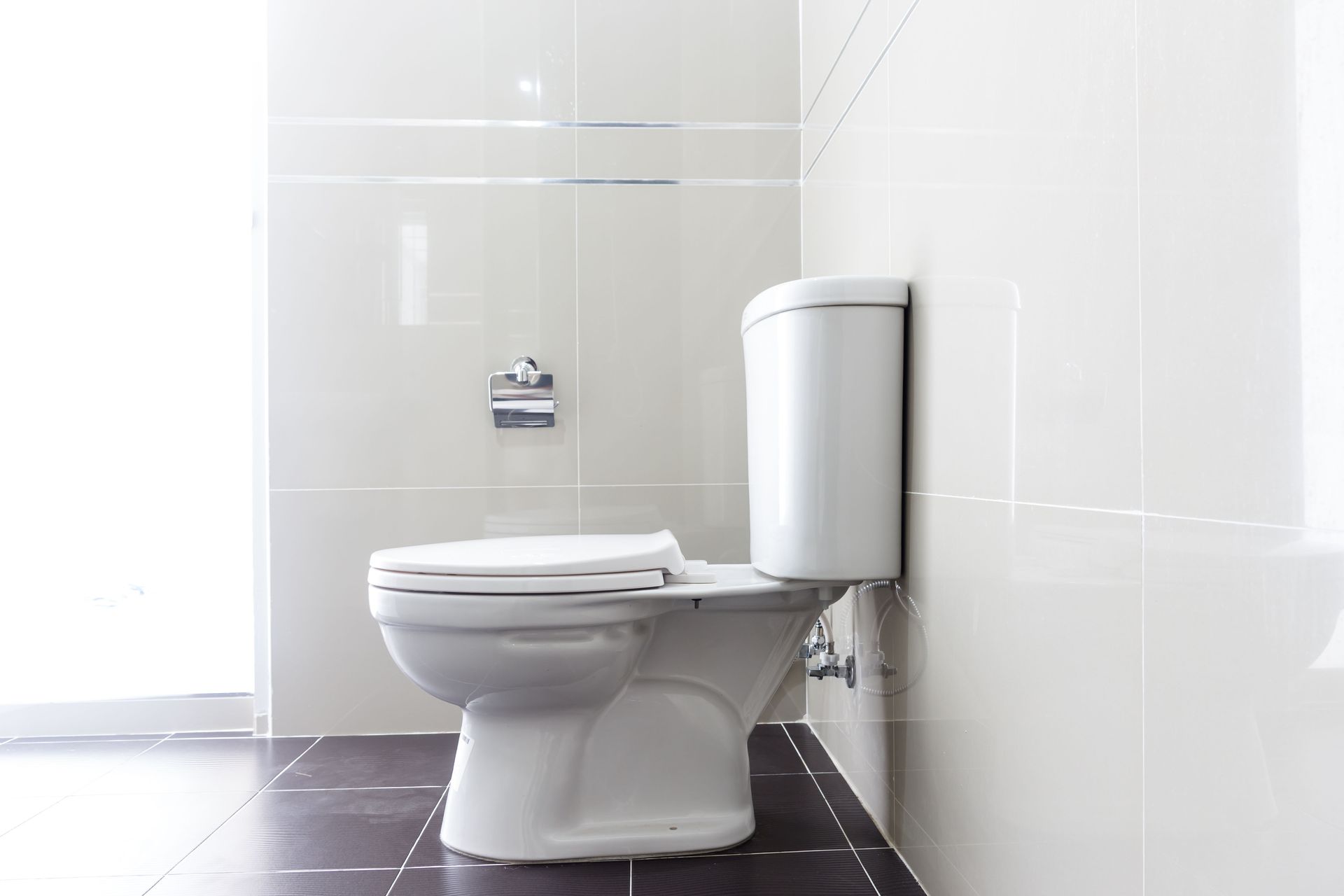
A dripping faucet or a toilet that runs long after flushing may not seem like a disaster, but the numbers tell a different story. A single steady drip can waste thousands of gallons a year, and a constantly running toilet can waste even more. That water shows up on your utility bill month after month, often without anyone realizing why.
Efficient fixtures make a remarkable difference. According to Plumbing Manufacturers International, if we did not change from 3.5 gallon toilets in 1992 we would be using 437 billion more gallons of water per year. That figure shows just how much modern, properly functioning fixtures matter, both for your household budget and for the community's water supply. A trusted local plumber can repair worn components, recommend efficient upgrades, and make sure every fixture in your home is working the way it should.
4. Hidden Leaks Behind Finished Walls
Some of the most serious leaks are the ones you never see. A pinhole leak inside a wall or beneath a cabinet can drip steadily for months, soaking wood and insulation while creating the dark, damp conditions where mold thrives. By the time a musty smell or a soft spot in the floor appears, the damage may already be extensive.
Unexpected spikes in your water bill, water stains, peeling paint, and warped flooring are all signs worth taking seriously. A dependable local plumber has the experience and specialized equipment to locate hidden leaks without unnecessary demolition. Finding the problem early protects not only your home's structure but also the air quality your family breathes every day.
5. Sudden Failures in Aging Water Heaters
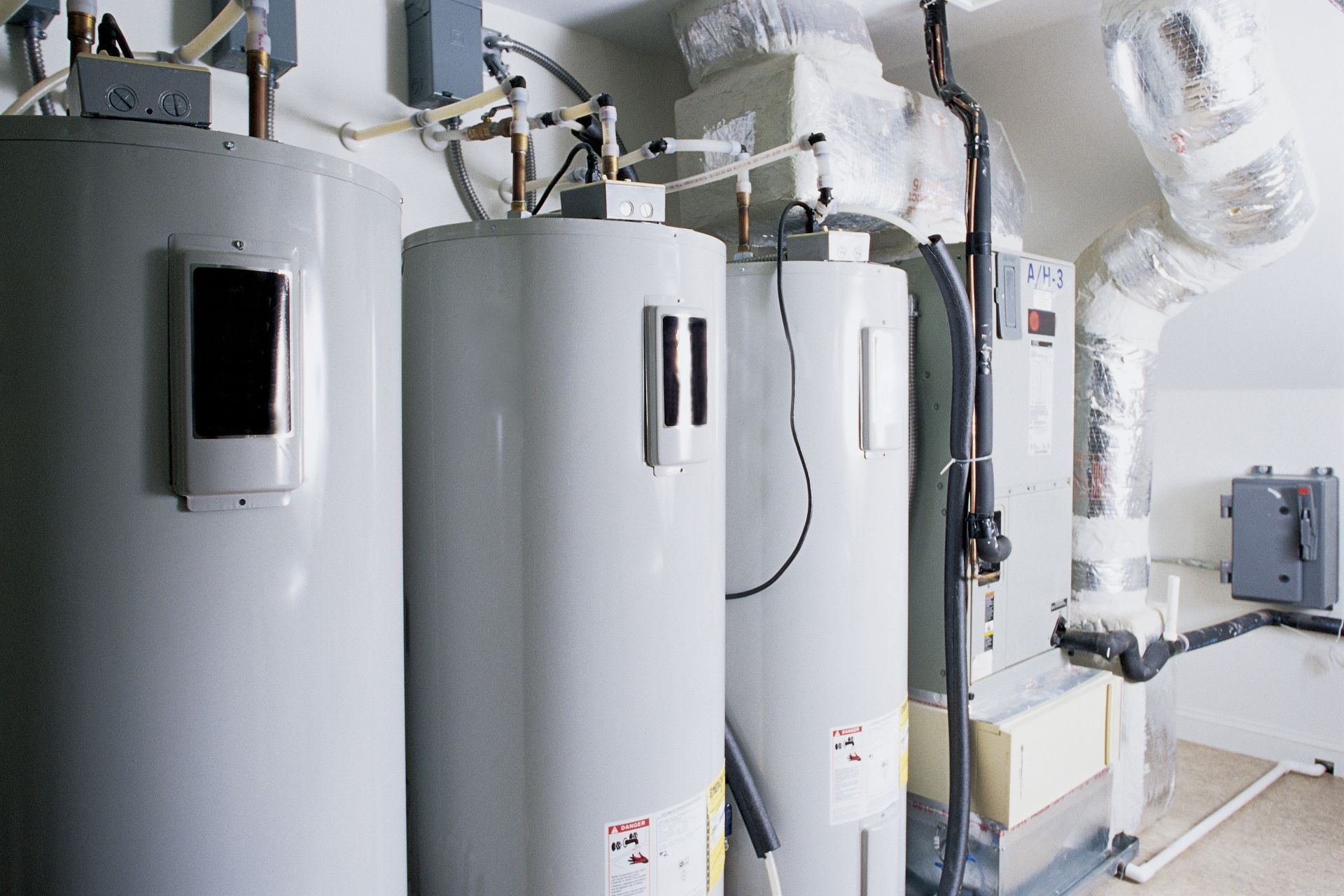
There is never a good time to lose hot water, but it always seems to happen at the worst possible moment. Beyond the inconvenience, a failing water heater can leak, flood a utility room, or damage nearby walls and floors. Sediment buildup, worn internal parts, and simple age are the most common culprits.
Water heaters usually offer clues before they quit entirely. Rumbling noises, rusty water, inconsistent temperatures, and moisture around the base all suggest the unit needs attention. Routine professional maintenance can extend its life, improve its efficiency, and help you plan for a replacement on your own schedule rather than in the middle of an emergency. When the time does come for a new unit, an experienced local plumber can help you compare options, from traditional tanks to tankless models, and choose one that fits your household, your space, and your budget. The right choice can mean lower energy bills and more reliable comfort for years to come.
6. Messy Backups From Blocked Sewer Lines
Few household problems are as unpleasant as a sewer backup. When the main line becomes blocked or damaged, wastewater has nowhere to go but back into the home, usually through the lowest drains. Tree roots, shifting soil, aging pipes, and items that should never be flushed are frequent causes.
Multiple slow drains, gurgling toilets, and sewage odors in the yard or basement are signs that the main line may be in trouble. A professional camera inspection can reveal exactly what is happening underground, allowing problems to be repaired before they turn into a messy and costly cleanup. For older homes or properties with mature trees, periodic inspections offer valuable peace of mind. Modern repair methods can often fix damaged lines with far less digging than in the past, which means less disruption to your lawn, driveway, and daily routine.
7. Flooded Basements From Failed Pumps
For homes with basements, the sump pump is a quiet guardian that only gets noticed when it fails. During heavy rain or rapid snowmelt, it is responsible for keeping groundwater from rising into the lowest level of the house. If the pump is clogged, worn out, or loses power, flooding can happen in a matter of hours.
The tricky part is that a sump pump can sit idle for months, so problems often go unnoticed until the next storm. A knowledgeable local plumber can test the pump, inspect its components, and recommend upgrades such as battery backups or alarms that alert you when something goes wrong. A little attention before the rainy season can save your basement, your belongings, and your weekend.
Every one of these disasters shares the same truth. The damage is almost always worse, and more expensive, when the warning signs are missed. Partnering with a reliable local plumber means having someone in your corner who notices the small things, explains your options clearly, and helps you stay ahead of problems instead of reacting to them. If you want that kind of protection for your home, contact RDW Plumbing LLC today to schedule an inspection and enjoy the confidence that comes with knowing your plumbing is in good hands.