November 3, 2026
Water conservation is an important part of maintaining an efficient household, especially when utility costs continue to affect family budgets. Small plumbing problems can waste significant amounts of water without homeowners realizing anything is wrong. Hiring a professional plumber can help identify unnecessary water consumption, improve plumbing efficiency, and prevent expensive repairs. Understanding which plumbing services support conservation can help homeowners make practical decisions about their water usage.
1. Identify and Repair Hidden Water Leaks
Hidden leaks are among the most common causes of unnecessary household water consumption. Water can escape through deteriorating pipes, loose connections, and damaged plumbing fixtures without producing obvious warning signs.
Professional leak detection services help locate problems behind walls, beneath floors, and throughout underground water lines. Specialized equipment allows technicians to identify potential leaks without unnecessarily disturbing surrounding structures.
Homeowners should watch for several warning signs:
- Unexpected increases in monthly water bills
- Damp spots on walls, ceilings, or floors
- Unexplained reductions in water pressure
- Running water sounds when fixtures are turned off
Addressing leaks early prevents continuous water loss and reduces the likelihood of structural damage. Even relatively small plumbing defects can become serious problems when left unattended.
2. Repair or Replace Inefficient Toilets
Toilets account for a substantial portion of household water consumption. Older models may use considerably more water per flush than modern water-efficient alternatives.
A running toilet can also waste water continuously, particularly when internal components no longer function correctly. Damaged flappers, worn seals, and malfunctioning fill valves are common causes.
A plumber can inspect these components and determine whether repairs or replacement would provide the greatest benefit.
Modern water-efficient toilets use less water while maintaining effective flushing performance. Some models also provide dual-flush options, allowing homeowners to select an appropriate water volume based on their needs.
Professional installation helps prevent leaks around the toilet base and connections. Proper sealing, secure fittings, and functional components contribute to reliable operation and long-term water conservation.
3. Repair Dripping Faucets and Fixtures
A dripping faucet might seem insignificant, but the accumulated water loss can become substantial over time. Worn washers, deteriorating seals, and damaged internal components frequently cause these problems.
Faucet repairs typically involve identifying the defective component and determining whether replacement parts can restore normal operation.
In some situations, installing a new fixture may offer better long-term value, particularly when the existing faucet has experienced extensive wear.
Modern faucets can provide better flow control and reduce unnecessary water consumption during everyday activities. Proper installation also helps prevent leaks around handles, connections, and supply lines.
Homeowners can support conservation by turning off faucets while brushing their teeth, washing dishes, or performing other tasks that do not require continuous water flow.
Combining responsible habits with properly functioning fixtures helps reduce water waste throughout the household.
4. Upgrade Shower Fixtures During Bathroom Renovations
Showers contribute significantly to household water consumption, making bathroom improvements an opportunity to support conservation.
Older shower fixtures may deliver more water than necessary for comfortable bathing. Replacing outdated components during a bathroom renovation can improve functionality while reducing water usage.
Low-flow showerheads are designed to limit water consumption while maintaining an effective spray pattern. However, performance depends on fixture quality, water pressure, and the condition of existing plumbing.
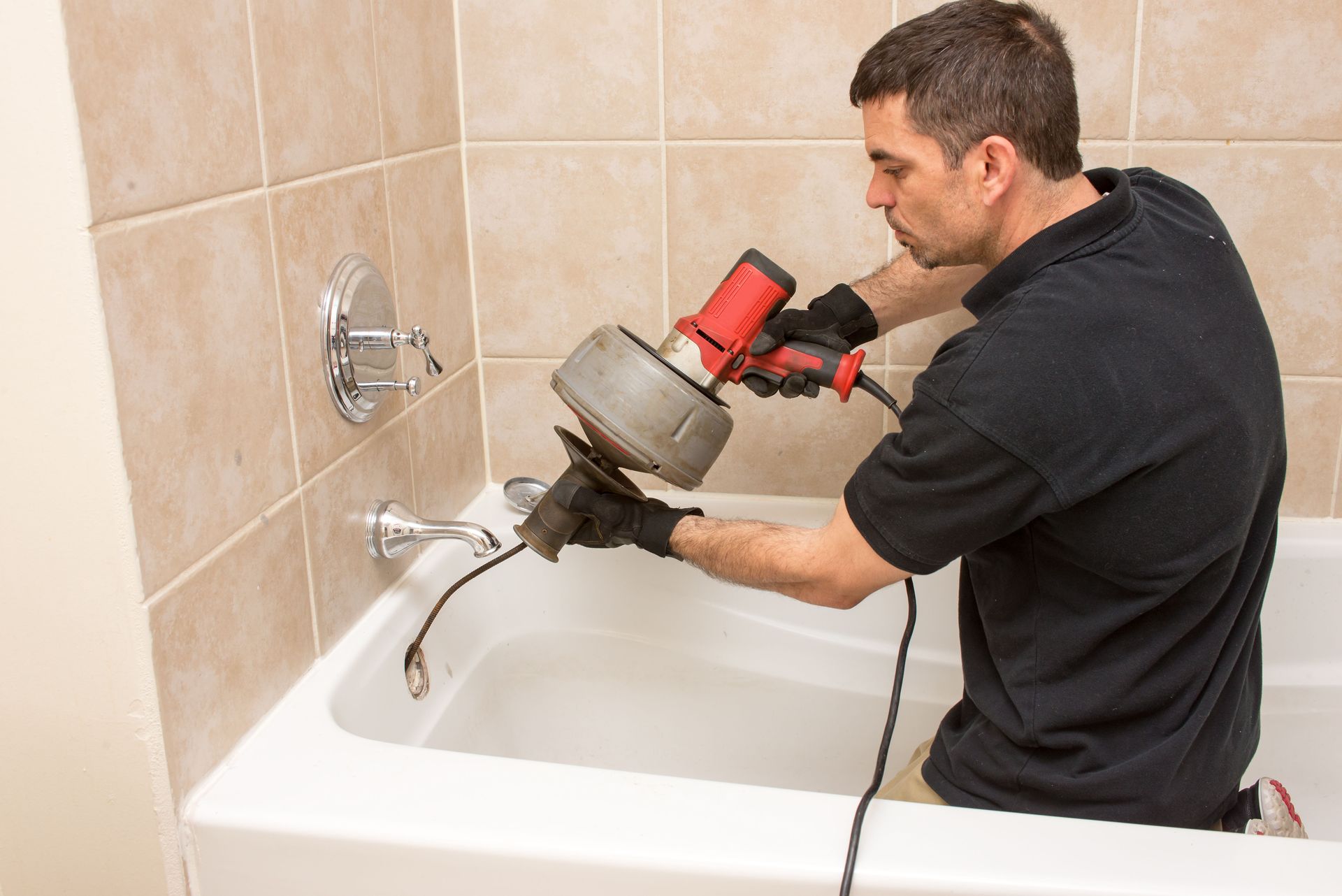
A plumbing professional can evaluate the shower's connections, identify leaks, and recommend appropriate improvements during renovation projects.
Bathtub and shower renovations also provide opportunities to address aging pipes and deteriorating fittings that might otherwise remain concealed.
These improvements can reduce unnecessary water loss without requiring homeowners to sacrifice their preferred bathing routines.
5. Maintain and Repair Water Heaters
Water heater problems can contribute to inefficient household water usage, particularly when leaks or inconsistent heating cause water to be wasted.
For example, homeowners may leave faucets running longer while waiting for water to reach a comfortable temperature. However, the underlying problem could involve heating performance, distribution pipes, or the distance between the fixture and water heater.
According to Lawrence Berkeley National Laboratory, research indicates that workplace productivity and thermal comfort are greatest when indoor temperatures are approximately 71°F or 72°F. Although this research concerns indoor air temperatures rather than domestic hot water, it highlights the importance of maintaining comfortable conditions efficiently.
A plumber can inspect water heaters, evaluate temperature settings, and identify problems affecting hot water availability.
Routine maintenance may include checking for leaks, inspecting connections, and removing sediment when appropriate.
These services help maintain reliable operation and may reduce the need to run water unnecessarily while waiting for adequate heating.
6. Install Efficient Tankless Water Heating Systems
Traditional water heaters store heated water in a tank, while tankless systems heat water as needed. This difference can improve energy efficiency in suitable households.
Although tankless equipment does not automatically reduce water consumption, properly selected systems may support more efficient household plumbing when combined with thoughtful installation and usage habits.
An experienced technician can assess household water demands, fixture requirements, and available installation space before recommending a system.
Several considerations influence tankless water heater performance:
- Household size and typical hot water demand
- Simultaneous use of showers and appliances
- Existing plumbing connections and equipment
- Manufacturer maintenance requirements
Correct sizing is particularly important because undersized equipment may struggle to meet simultaneous hot water demands.
Tankless systems still require time to deliver heated water through existing pipes, so homeowners should not expect instant hot water at every fixture.
7. Replace Damaged or Deteriorating Pipes
Older plumbing systems may contain corroded, weakened, or damaged pipes that contribute to hidden leaks and inefficient water distribution.
As pipes deteriorate, small defects can develop around joints and connections. These problems may gradually worsen, allowing water to escape before reaching household fixtures.
Professional pipe replacement addresses damaged sections and restores the integrity of affected plumbing lines.
For properties experiencing widespread deterioration, repiping may provide a more comprehensive solution than repeated individual repairs.
Replacing compromised pipes can also help restore consistent water pressure when deterioration or internal restrictions are responsible.
Homeowners should avoid assuming that every pressure problem requires replacing pipes. A professional assessment can determine whether repairs, maintenance, or more extensive improvements are appropriate.
Addressing existing damage helps protect the water supply system and reduces the risk of recurring leaks.
8. Improve Plumbing Connections During Appliance Installation
Dishwashers and washing machines depend on properly installed water supply connections to operate reliably.
Loose fittings, damaged hoses, and poorly secured connections can allow water to escape during appliance operation. Some leaks develop gradually and remain unnoticed behind equipment.
Professional appliance installation includes connecting supply lines, checking fittings, and confirming that plumbing connections function correctly.
A plumber can also identify deteriorating connections that should be repaired or replaced before the new appliance begins operating.
When choosing replacement equipment, homeowners can look for water-efficient models designed to complete washing tasks with less water.
Correct installation cannot compensate for every appliance inefficiency, but it helps prevent avoidable leaks and supports dependable operation.
Regularly checking accessible connections for moisture provides additional protection against unexpected water loss.
Make Water Conservation Part of Home Maintenance
Reducing household water consumption does not always require major renovations or expensive equipment. Repairing leaks, maintaining fixtures, replacing damaged pipes, and upgrading inefficient components can help homeowners use water more responsibly.
Professional plumbing inspections also provide opportunities to identify developing problems before they increase water bills or damage property. A qualified plumber can recommend improvements based on the age, condition, and needs of the home's plumbing system.
Contact RDW Plumbing LLC today to schedule professional plumbing services and discover practical ways to conserve water throughout your home.